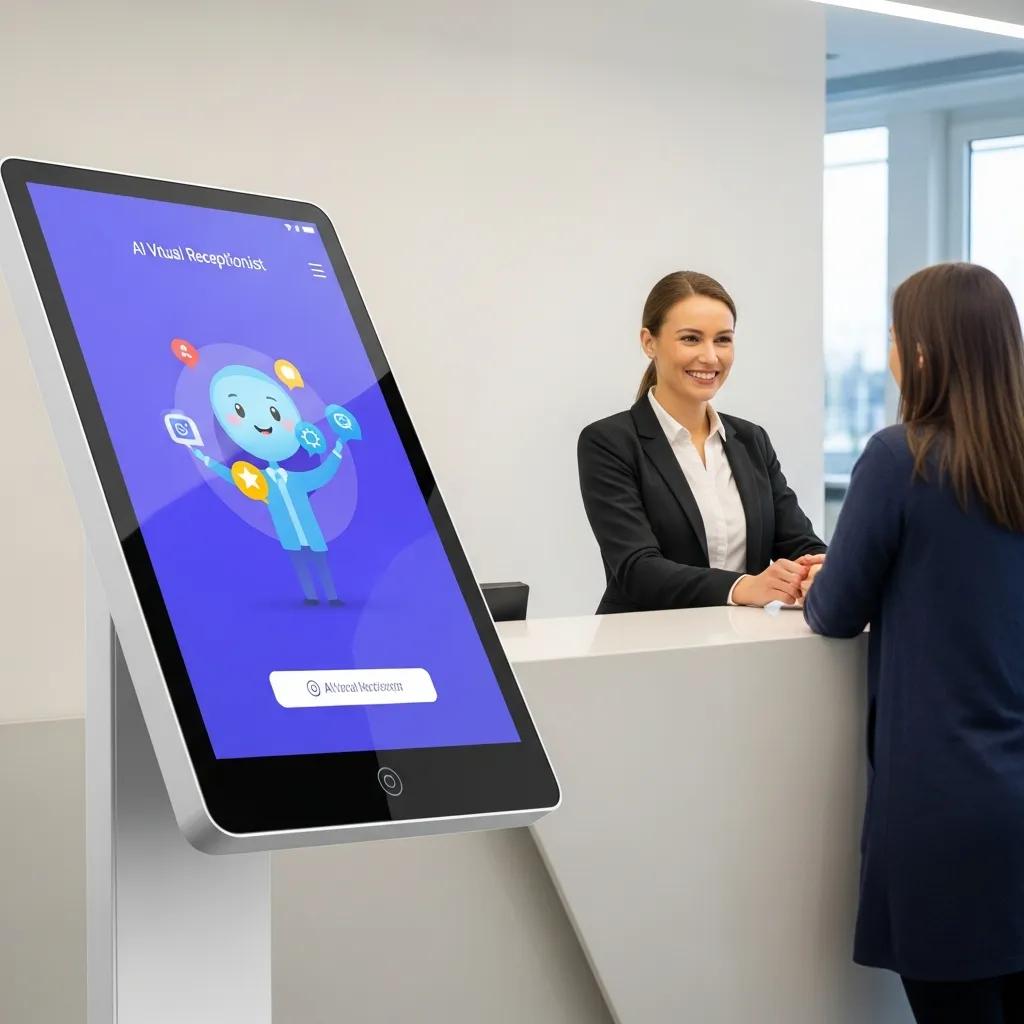

AI vs Human Receptionists: Comprehensive Pros and Cons Analysis for Informed Business Decisions
In the evolving landscape of customer service, the debate between AI and human receptionists has gained significant traction. Businesses are increasingly exploring the benefits and drawbacks of each option to make informed decisions that align with their operational needs. This article delves into the comprehensive analysis of AI versus human receptionists, highlighting their respective advantages and limitations. Readers will learn about the efficiency, cost-effectiveness, and customer interaction capabilities of both AI and human receptionists. The discussion will also cover outsourcing as an alternative, examining when it may be a better option than automation. By the end of this article, you will have a clearer understanding of the implications of choosing between AI and human receptionists for your business.
Analysis of AI vs. Human Receptionists
The effectiveness of AI and human receptionists can be evaluated through various lenses, including cost implications, customer satisfaction metrics, and operational efficiency. AI receptionists, powered by advanced algorithms, can handle a high volume of inquiries simultaneously, providing quick responses and reducing wait times. In contrast, human receptionists excel in personalized service, offering empathy and understanding that AI currently cannot replicate. The cost implications also differ significantly; while AI solutions may require an initial investment, they often lead to long-term savings by reducing payroll and training costs. Understanding these dynamics is crucial for businesses aiming to optimize their customer service operations.
What Are the Key Benefits of AI Virtual Receptionists?

AI virtual receptionists offer several key benefits that can enhance business operations:
- Efficiency: AI can manage multiple inquiries at once, ensuring that customer needs are met promptly.
- Cost-Effectiveness: By reducing the need for human staff, businesses can save on payroll and training expenses.
- 24/7 Availability: AI receptionists can operate around the clock, providing support to customers at any time.
These advantages make AI a compelling choice for businesses looking to streamline their customer service processes.
Further research supports the notion that AI-enabled customer interaction models significantly enhance service efficiency, particularly within the hospitality and retail sectors.
AI Customer Interaction Models for Service Efficiency
This study examined the relationship between AI-enabled customer-interaction models and service efficiency outcomes in U.S. hospitality and retail operations using a quantitative, observational research design. The analysis was informed by an extensive review of 82 peer-reviewed academic studies spanning service operations, information systems, retailing, hospitality management, and technology-mediated service research, which provided the conceptual and methodological foundation for variable selection, model specification, and interpretation of results.
AI-Enabled Customer-Interaction Models For Improving Service Efficiency In US Hospitality And Retail Operations, MT Islam, 2026
How Does 24/7 Availability Enhance Customer Service?
The ability of AI receptionists to provide 24/7 availability significantly enhances customer service by meeting customer expectations for immediate responses. This constant accessibility reduces wait times, allowing customers to receive assistance whenever they need it. As a result, businesses can improve customer satisfaction and loyalty, as clients appreciate the convenience of having their inquiries addressed at any hour. This level of service is particularly beneficial for companies operating in multiple time zones or those with a global customer base.
In What Ways Does AI Improve Cost Efficiency Compared to Human Receptionists?
AI receptionists improve cost efficiency in several ways. Firstly, they eliminate the need for payroll expenses associated with human staff, which can be substantial over time. Secondly, AI systems can handle high call volumes without the need for additional resources, allowing businesses to scale operations without incurring significant costs. Lastly, the automation of routine tasks reduces the time spent on training and onboarding new employees, further enhancing overall cost efficiency. These factors make AI a financially attractive option for many businesses.
What Are the Advantages of Human Receptionists in Customer Interaction?

Human receptionists bring unique advantages to customer interactions that AI cannot replicate. Their ability to provide personalized service fosters a sense of connection and trust with customers. Human receptionists can adapt their responses based on the emotional cues of the caller, offering empathy and understanding that enhances the customer experience. Additionally, they can handle complex inquiries that require nuanced responses, making them invaluable in situations where customer satisfaction is paramount.
How Does Human Empathy Impact Customer Experience?
Human empathy plays a crucial role in customer interactions, significantly impacting overall customer experience. When receptionists demonstrate understanding and compassion, it builds trust and loyalty among customers. This emotional connection can lead to higher satisfaction rates and repeat business, as customers feel valued and understood. In contrast, AI, while efficient, often lacks the emotional intelligence necessary to navigate sensitive situations effectively. This limitation can hinder the customer experience, particularly in industries where personal touch is essential.
What Flexibility Do Human Receptionists Offer That AI Cannot?
Human receptionists offer a level of flexibility that AI systems currently cannot match. They can adapt to unique situations and handle complex inquiries that require critical thinking and problem-solving skills. For instance, when faced with unexpected scenarios or customer complaints, human receptionists can think on their feet and provide tailored solutions. This adaptability is crucial in maintaining high levels of customer satisfaction, especially in dynamic environments where customer needs may vary significantly.
How Does Outsourcing Compare to AI and Human Receptionist Solutions?
Outsourcing customer service functions can be a viable alternative to both AI and human receptionist solutions. It often provides a cost-effective way to manage customer interactions without the overhead associated with hiring full-time staff. Outsourcing can also offer access to specialized expertise and resources that may not be available in-house. However, the effectiveness of outsourcing compared to AI and human solutions depends on the specific needs of the business and the quality of the outsourced service provider.
What Are the Cost Savings and Service Models in Outsourcing?
Outsourcing customer service can lead to significant cost savings for businesses. By partnering with external service providers, companies can benefit from predictable expenses and avoid the costs associated with hiring, training, and maintaining in-house staff. Various service models are available, including pay-per-call and subscription-based pricing, allowing businesses to choose the model that best fits their operational needs. This flexibility can enhance financial planning and resource allocation.
When Is Outsourcing a Better Option Than Automation?
Outsourcing may be a better option than automation in scenarios where personalized service is critical. For businesses that require a human touch in customer interactions, outsourcing can provide the necessary support without the limitations of AI. Additionally, outsourcing can be advantageous for companies experiencing fluctuating demand, as it allows for scalability without the commitment of permanent hires. Understanding the specific needs of the business is essential in determining when outsourcing is the most effective solution.
What Are the Limitations and Challenges of AI Receptionists?
Despite their advantages, AI receptionists face several limitations and challenges. Technological constraints can hinder their ability to understand complex inquiries or provide nuanced responses. User acceptance issues may arise, as some customers prefer interacting with human representatives. Additionally, the impact on service quality can be a concern, particularly in industries where personal interaction is valued. Addressing these challenges is crucial for businesses considering AI solutions.
How Does AI Receptionist Accuracy Affect Workflow Integration?
The accuracy of AI receptionists significantly affects their ability to integrate into existing workflows. High accuracy in responses ensures that customer inquiries are handled efficiently, reducing the need for follow-up interactions. However, inaccuracies can lead to frustration and decreased customer satisfaction. Businesses must invest in quality AI systems and continuous training to ensure that their virtual receptionists can effectively support operational workflows.
What Are Common Limitations in Natural Language Understanding?
AI receptionists often struggle with natural language understanding, particularly in interpreting context and handling ambiguity. Complex queries or nuanced language can lead to misunderstandings, resulting in incorrect responses. This limitation highlights the importance of ongoing advancements in AI technology to improve language processing capabilities. As AI continues to evolve, addressing these challenges will be essential for enhancing customer interactions.
How Do Cost and Efficiency Compare Between AI, Human, and Outsourced Receptionists?
When comparing cost and efficiency across AI, human, and outsourced receptionists, several factors come into play. AI solutions typically offer lower long-term costs due to reduced payroll expenses, while human receptionists provide personalized service that can enhance customer satisfaction. Outsourced solutions can offer a balance between cost savings and service quality, depending on the provider’s capabilities. Understanding these dynamics is crucial for businesses aiming to optimize their customer service strategies.
What Are the Detailed Cost-Benefit Analyses of Each Option?
Conducting a detailed cost-benefit analysis of AI, human, and outsourced receptionists can provide valuable insights for businesses. AI solutions may require higher initial investments but can lead to significant long-term savings. Human receptionists, while more expensive, offer unparalleled customer service that can drive loyalty and repeat business. Outsourced solutions can provide flexibility and cost savings, but the quality of service can vary. Businesses must weigh these factors carefully to determine the best fit for their needs.
How Does Workflow Automation Influence Operational Efficiency?
Workflow automation plays a critical role in enhancing operational efficiency. By automating routine tasks, businesses can reduce the time spent on administrative duties, allowing staff to focus on more strategic initiatives. AI receptionists can streamline processes by handling inquiries and routing calls efficiently, leading to improved productivity. This integration of automation into customer service operations can significantly enhance overall business performance.
What Is the Future Outlook for Receptionist Roles in the Age of AI?
The future outlook for receptionist roles in the age of AI is evolving. As automation continues to advance, traditional receptionist positions may shift towards hybrid roles that combine human and AI capabilities. This evolution presents opportunities for job creation in AI management and oversight, as businesses seek to leverage technology while maintaining a human touch in customer interactions. Understanding these trends will be essential for businesses planning for the future of customer service.
How Are Hybrid Human-AI Models Shaping Receptionist Services?
Hybrid human-AI models are increasingly shaping receptionist services by combining the strengths of both approaches. These models allow businesses to benefit from the efficiency of AI while retaining the personalized service that human receptionists provide. By integrating AI tools into their operations, companies can enhance customer interactions and streamline processes, ultimately leading to improved satisfaction and loyalty.
What Industry Trends Are Driving Adoption of AI Receptionist Tools?
Several industry trends are driving the adoption of AI receptionist tools. The demand for 24/7 availability, cost reduction, and the need for efficient customer service solutions are key factors influencing this shift. As businesses seek to enhance their operational efficiency and customer satisfaction, AI technology continues to gain traction as a viable solution. Understanding these trends can help businesses stay competitive in an increasingly digital landscape.
How Can Businesses Implement and Monitor AI Receptionist Solutions Effectively?
Implementing and monitoring AI receptionist solutions effectively requires careful planning and execution. Businesses should establish key performance indicators (KPIs) to track the performance of their AI systems, ensuring that they meet customer expectations. Best practices for implementation include selecting high-quality AI tools, providing adequate training, and continuously monitoring performance to identify areas for improvement. This proactive approach can help businesses maximize the benefits of AI technology.
What Are Best Practices for Internal Linking and Structured Data Usage?
Effective internal linking and structured data usage are essential for optimizing AI receptionist solutions. Businesses should prioritize the importance of internal linking to enhance navigation and user experience. Additionally, utilizing structured data can improve search engine visibility and indexing, making it easier for customers to find relevant information. Implementing these best practices can significantly enhance the effectiveness of AI systems in customer service.
Which KPIs and Tools Help Track AI Receptionist Performance?
Tracking the performance of AI receptionists involves monitoring several key performance indicators (KPIs). Important metrics include call resolution rates, customer satisfaction scores, and response times. Utilizing tools that provide analytics and reporting can help businesses assess the effectiveness of their AI systems and identify areas for improvement. By focusing on these KPIs, companies can ensure that their AI receptionists deliver optimal performance.
What Are Common Questions About AI vs Human Receptionists?
When considering AI versus human receptionists, several common questions arise:
- What are the pros and cons of each option?: AI offers efficiency and cost savings, while human receptionists provide personalized service.
- How do customer satisfaction metrics compare?: Human receptionists typically achieve higher satisfaction scores due to their empathetic interactions.
- What are the cost implications of each option?: AI solutions may have lower long-term costs, while human receptionists incur higher payroll expenses.
These questions highlight the critical considerations businesses must address when evaluating their customer service strategies.
How Do AI Receptionists Improve Efficiency?
AI receptionists improve efficiency by automating routine tasks and handling high call volumes. Their ability to provide instant responses reduces wait times and enhances customer satisfaction. Additionally, AI systems can streamline processes by routing inquiries to the appropriate departments, ensuring that customers receive timely assistance. This efficiency not only benefits customers but also allows businesses to allocate resources more effectively.
Can AI Fully Replace Human Receptionists?
While AI offers numerous advantages, it cannot fully replace human receptionists. The limitations of AI in handling complex inquiries and providing empathetic interactions highlight the importance of human involvement in customer service. AI can complement human staff by managing routine tasks, but the personal touch that human receptionists provide remains invaluable. Businesses should consider a hybrid approach that leverages the strengths of both AI and human receptionists to optimize customer service.
Leave a Reply