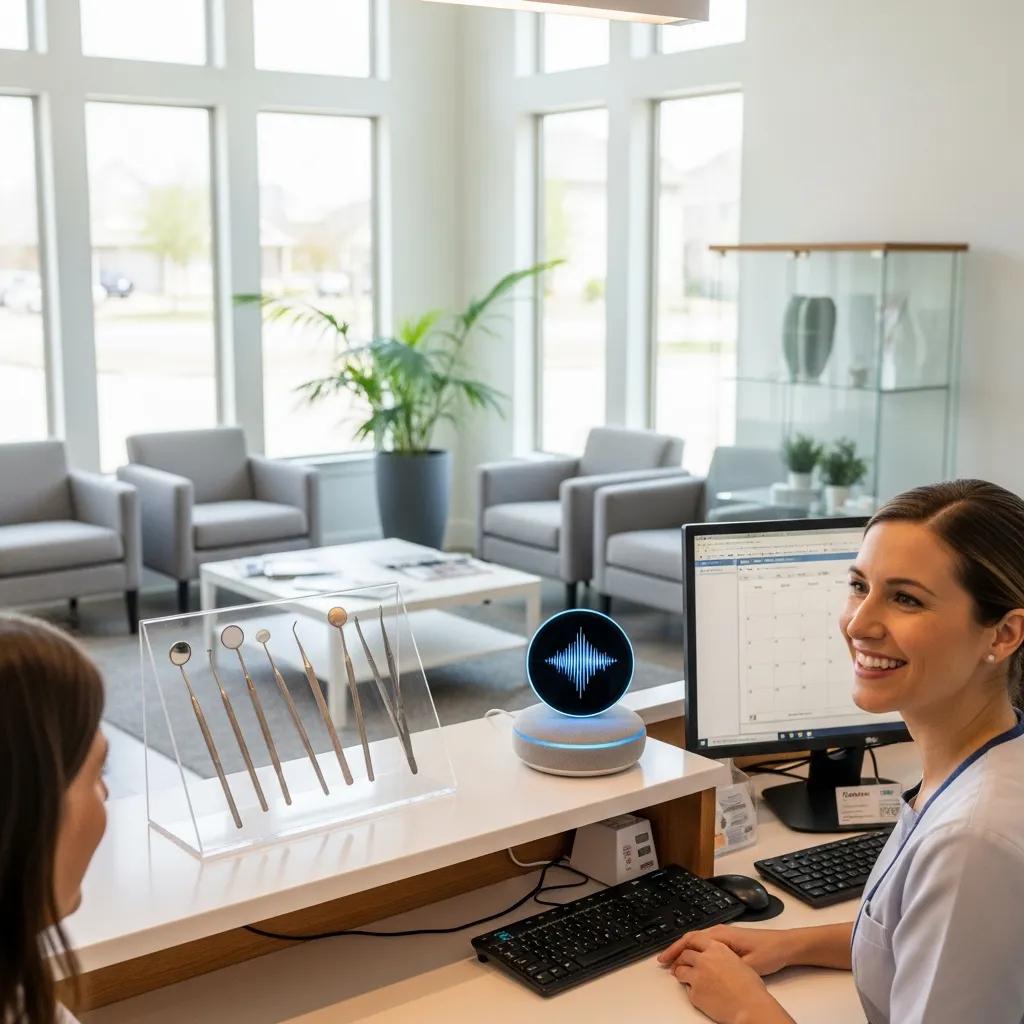

AI Voice Agents for Dental Practices
In the rapidly evolving landscape of dental care, AI voice agents are transforming how practices manage patient interactions and streamline operations. These intelligent systems automate various tasks, including appointment scheduling and emergency call handling, significantly enhancing efficiency and patient satisfaction. This article delves into the functionalities and benefits of AI voice agents specifically tailored for dental practices, addressing common challenges such as missed appointments and patient communication barriers. Readers will learn about the key features of these systems, how they improve patient engagement, and the overall impact on operational efficiency. We will explore the mechanisms behind automated appointment reminders, the advantages of 24/7 availability, and how virtual dental receptionists can enhance the patient experience.
Indeed, the broader concept of automation in dental clinics encompasses a range of advanced technologies, including voice-controlled AI systems.
Voice-Controlled AI for Dental Clinic Automation
Automation in dental clinics refers to the adoption of innovative and advanced technologies such as AI (artificial intelligence), robotic-assisted dental surgeries, voice-controlled systems, and IoT-enabled devices.
Digital Transformation and Automation in Dental Clinics: Current Applications, Challenges, and Future Perspectives, 2025
AI voice agents in dental practices streamline appointment scheduling and effectively handle emergency calls through several key functionalities:
AI voice agents are designed to optimize the workflow within dental practices by automating routine tasks and ensuring that patient needs are met promptly. These systems operate around the clock, providing 24/7 availability that significantly reduces missed calls and enhances patient communication. By integrating advanced technologies such as natural language processing (NLP), AI voice agents can understand and respond to patient inquiries effectively, making them invaluable for managing appointment bookings and emergency calls. The result is a more efficient practice that can focus on delivering high-quality dental care while improving patient satisfaction.
How Do AI Voice Agents Automate Dentist Appointment Scheduling?

AI voice agents automate dentist appointment scheduling by utilizing sophisticated algorithms and machine learning techniques. These systems can integrate seamlessly with existing scheduling tools, allowing them to access real-time availability and book appointments without human intervention. By leveraging NLP, AI voice agents can understand patient requests and respond appropriately, ensuring a smooth booking process. This automation not only saves time for dental staff but also enhances the patient experience by providing immediate responses to appointment inquiries.
Further research highlights the critical role of intelligent workflow automation and voice-enabled AI agents in streamlining the appointment booking process.
AI Voice Agents for Automated Dental Scheduling
intelligent workflow automation, and hybrid models that blend large language to situate our AI agent prototype work within this evolving space of voice-driven automation.
Voice-Enabled AI Agent for Automated Appointment Scheduling: A Scalable Workflow for Smart Healthcare Systems, 2025
What Features Define Dentist Appointment Scheduling Software?
Dentist appointment scheduling software is characterized by several key features that enhance its functionality:
- Automation of Booking Processes: This feature allows patients to schedule appointments without needing to speak to a receptionist, streamlining the process.
- Real-Time Integration: The software can sync with practice management systems to provide up-to-date availability and prevent double bookings.
- 24/7 Availability: Patients can book appointments at any time, increasing convenience and reducing the likelihood of missed calls.
These features collectively contribute to a more efficient scheduling process, ultimately benefiting both the practice and its patients.
Such systems are at the forefront of leveraging AI to streamline dental healthcare processes, offering user-friendly platforms for automating dental processes and proactively addressing patient concerns before scheduling appointments.
AI-Driven System for Automated Dental Appointments
This system leverages AI to streamline dental healthcare processes, offering a user-friendly platform for automating dental processes, addressing patient concerns before scheduling dentist appointments.
Noral: AI Driven Oral Healthcare Appointment System, MKJ Kannan, 2024
How Do Automated Appointment Reminders Improve Patient Engagement?
Automated appointment reminders play a crucial role in improving patient engagement by ensuring that patients are informed about their upcoming visits. These reminders can be sent via text, email, or phone calls, providing timely notifications that help reduce no-show rates. By personalizing these messages, dental practices can enhance the patient experience, making individuals feel valued and informed. This proactive communication strategy not only fosters better relationships with patients but also contributes to improved operational efficiency by maximizing appointment attendance.
What Are the Benefits of Using Automated Dental Answering Services?
Automated dental answering services offer numerous benefits that enhance the overall efficiency of dental practices:
- Improved Patient Communication: These services ensure that patient inquiries are addressed promptly, leading to higher satisfaction rates.
- Reduced Wait Times: By automating responses to common questions, practices can minimize the time patients spend waiting for assistance.
- Enhanced Operational Efficiency: With AI handling routine inquiries, dental staff can focus on more complex tasks, improving overall productivity.
The integration of automated answering services allows dental practices to operate more smoothly while providing exceptional patient care.
How Does 24/7 Availability Reduce Missed Calls in Dental Practices?
The 24/7 availability of AI voice agents significantly reduces missed calls in dental practices by ensuring that patient inquiries are addressed at any time of day. This constant accessibility means that patients can reach out for assistance or schedule appointments outside of regular office hours, which is particularly beneficial for those with busy schedules. By capturing these calls, practices can increase appointment bookings and improve patient satisfaction, ultimately leading to better business outcomes.
In What Ways Do Virtual Dental Receptionists Enhance Patient Experience?
Virtual dental receptionists enhance the patient experience by providing immediate assistance and support. These AI-driven systems can handle a variety of tasks, including appointment scheduling, answering frequently asked questions, and managing patient records. By offering 24/7 support, virtual receptionists ensure that patients receive timely responses to their inquiries, which can lead to increased trust and loyalty. Additionally, the efficiency of virtual receptionists allows dental practices to allocate more time to patient care, further enhancing the overall experience.
How Do AI Voice Assistants Handle Emergency Dental Calls Effectively?

AI voice assistants are equipped to manage emergency dental calls effectively by following established response protocols. These systems can quickly assess the nature of the emergency and provide appropriate guidance to the caller, ensuring that urgent cases are prioritized. By integrating with practice management systems, AI voice assistants can also route calls to the appropriate dental professionals, facilitating a swift response to emergencies. This capability not only improves patient outcomes but also enhances the practice’s reputation for responsiveness and care.
What Is Emergency Dental Call Handling and Its Importance?
Emergency dental call handling refers to the processes and protocols established to manage urgent patient inquiries effectively. This aspect of dental practice management is crucial, as timely responses to emergencies can significantly impact patient outcomes. Effective emergency call handling ensures that patients receive the necessary guidance and support during critical situations, fostering trust and confidence in the practice. By implementing AI voice agents for this purpose, dental practices can enhance their responsiveness and improve overall patient satisfaction.
How Does AI Ensure Rapid and Accurate Emergency Call Routing?
AI ensures rapid and accurate emergency call routing through the use of advanced algorithms and real-time data analysis. By utilizing natural language processing, AI voice assistants can understand the urgency of a call and determine the appropriate response. This capability allows for quick routing to the relevant dental professional, ensuring that patients receive the assistance they need without unnecessary delays. The efficiency of AI in this context not only improves patient outcomes but also enhances the overall operational efficiency of dental practices.
Which AI Voice Agent Features Optimize Dental Office Communication?
Several features of AI voice agents optimize communication within dental offices:
- 24/7 Availability: Ensures that patient inquiries are addressed at any time, improving accessibility.
- Natural Language Processing: Enhances the ability of AI to understand and respond to patient needs effectively.
- Automated Appointment Scheduling: Streamlines the booking process, reducing the workload on dental staff.
These features collectively contribute to a more efficient communication framework within dental practices, ultimately benefiting both staff and patients.
How Does Natural Language Processing Improve Call Interactions?
Natural language processing (NLP) significantly improves call interactions by enabling AI voice agents to understand and respond to patient inquiries in a conversational manner. This technology allows for more natural and intuitive interactions, making patients feel more comfortable when seeking assistance. By accurately interpreting the context of calls, NLP enhances the overall effectiveness of communication, leading to higher patient satisfaction and engagement.
What Role Does Call Analytics Play in Workflow Optimization?
Call analytics plays a vital role in optimizing workflows within dental practices by providing insights into call patterns and patient behavior. By analyzing data from incoming calls, practices can identify trends, such as peak call times and common patient inquiries. This information allows dental offices to allocate resources more effectively, ensuring that staff are available during high-demand periods. Additionally, call analytics can help practices refine their communication strategies, leading to improved patient interactions and operational efficiency.
How Can Dental Practices Measure ROI from AI Voice Agent Solutions?
Dental practices can measure the return on investment (ROI) from AI voice agent solutions by evaluating key performance indicators (KPIs) such as appointment booking rates, patient satisfaction scores, and call resolution times. By tracking these metrics, practices can assess the impact of AI on their operations and identify areas for improvement. A comprehensive cost-benefit analysis can further illustrate the financial advantages of implementing AI voice agents, demonstrating their value in enhancing practice efficiency and patient care.
What Metrics Indicate Improved Operational Efficiency?
Several metrics can indicate improved operational efficiency in dental practices utilizing AI voice agents:
- Call Resolution Rates: Higher rates suggest that patient inquiries are being handled effectively.
- Customer Satisfaction Scores: Increased satisfaction indicates that patients are pleased with the service they receive.
- Appointment No-Show Rates: A decrease in no-shows reflects the effectiveness of automated reminders and scheduling.
Monitoring these metrics allows practices to gauge the success of their AI implementations and make data-driven decisions for future improvements.
How Do Case Studies Demonstrate Patient Satisfaction Gains?
Case studies provide valuable insights into the effectiveness of AI voice agents in enhancing patient satisfaction. By analyzing specific metrics before and after implementation, practices can demonstrate tangible improvements in areas such as appointment attendance, patient feedback, and overall engagement. These real-world examples serve as compelling evidence of the benefits of AI solutions, encouraging other dental practices to consider similar technologies for their operations.
What Are the Pricing Options for Scalable Dental Answering Service Plans?
Dental practices can choose from various pricing options for scalable dental answering service plans, typically categorized into basic, standard, and premium tiers. Each plan offers different features, allowing practices to select the option that best meets their needs. For instance, basic plans may include essential answering services, while premium plans could offer advanced features such as 24/7 support and detailed call analytics. Understanding these options enables practices to make informed decisions based on their operational requirements and budget.
How Do Different Service Tiers Compare for Dental Practices?
When comparing different service tiers for dental answering services, practices should consider several factors:
- Feature Comparisons: Assess the specific features included in each tier, such as call handling capabilities and reporting tools.
- Cost Differences: Evaluate the pricing structure to determine which tier offers the best value for the services provided.
- Scalability: Consider how easily each service can adapt to the changing needs of the practice as it grows.
This comparison helps dental practices select the most suitable answering service that aligns with their operational goals.
What Should Dental Offices Consider When Choosing a Plan?
When selecting a dental answering service plan, offices should consider the following factors:
- Assessing Practice Needs: Understand the specific requirements of the practice, including call volume and patient demographics.
- Evaluating Service Features: Review the features offered by each plan to ensure they align with the practice’s operational goals.
- Budget Constraints: Consider the financial implications of each plan and choose one that provides the best return on investment.
By carefully evaluating these aspects, dental practices can make informed decisions that enhance their operational efficiency and patient care.
What Are Common Questions About AI Voice Agents for Dental Practices?
Common questions regarding AI voice agents for dental practices often include:
- What functionalities do AI voice agents offer?: They can automate appointment scheduling, handle emergency calls, and provide patient support.
- How do these systems integrate with existing practice management software?: Most AI voice agents can seamlessly connect with popular scheduling and management tools.
- What are the costs associated with implementing AI voice agents?: Pricing varies based on the features and service tiers selected.
Addressing these questions helps demystify AI voice agents and encourages dental practices to explore their potential benefits.
How Do Dental Answering Services Work?
Dental answering services operate by utilizing AI technology to manage patient interactions efficiently. These systems can handle incoming calls, respond to common inquiries, and schedule appointments without human intervention. By integrating with practice management software, dental answering services ensure that patient information is accurately recorded and accessible. This automation not only improves response times but also enhances the overall patient experience by providing timely assistance.
Can AI Voice Agents Handle Emergency Dental Calls?
AI voice agents are capable of handling emergency dental calls by following established protocols to assess the urgency of the situation. These systems can provide immediate guidance to patients, ensuring that urgent cases are prioritized and routed to the appropriate dental professionals. By effectively managing emergency calls, AI voice agents enhance the responsiveness of dental practices and improve patient outcomes during critical situations.
Leave a Reply