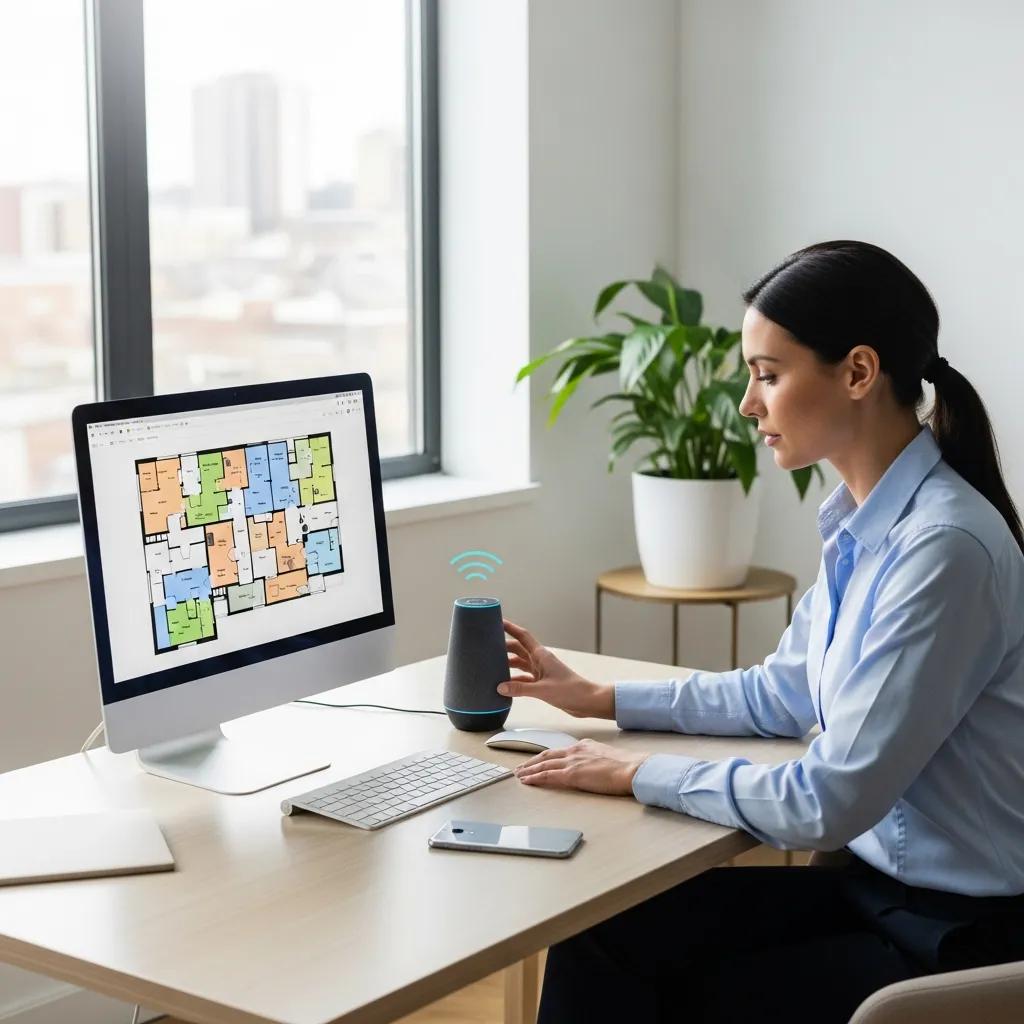

AI Voice Agents for Property Managers
In the evolving landscape of property management, AI voice agents are revolutionizing how property managers communicate with tenants and handle inquiries. These advanced systems leverage artificial intelligence to streamline communication, enhance tenant satisfaction, and improve operational efficiency. This article delves into the various ways AI voice agents can transform property management, focusing on their role in automating lettings enquiries, managing tenant emergency lines, and integrating with existing property management systems. As property managers face increasing demands for responsiveness and efficiency, AI voice agents offer a promising solution to meet these challenges. We will explore the features that enable effective automation, the benefits of 24/7 communication, and how these technologies can be seamlessly integrated into current workflows.
Enhancing Tenant Communication and Emergency Response

AI voice agents significantly enhance tenant communication by providing immediate responses and personalized interactions. These systems are designed to operate 24/7, ensuring that tenants can access information and assistance whenever they need it. The ability to handle multiple inquiries simultaneously reduces wait times and improves overall tenant satisfaction. Furthermore, AI voice agents can manage emergency calls effectively, ensuring that urgent issues are prioritized and addressed promptly. This capability not only enhances tenant trust but also streamlines the property management process, allowing managers to focus on more complex tasks.
How do AI voice agents automate lettings enquiries for property managers?
AI voice agents automate lettings enquiries by utilizing advanced algorithms and natural language processing to understand and respond to tenant inquiries. This technology allows for automated call handling, where potential tenants can receive information about available properties, schedule viewings, and even submit applications without the need for human intervention. The real-time availability of these systems ensures that no enquiry goes unanswered, significantly improving the chances of securing new tenants.
Indeed, the core principle behind these systems is to automate human interaction for various inquiries, as highlighted by research in the field.
AI Voice Interactive Enquiry Systems for Automation
AIVIES is a voice interactive enquiry system, intended to aid the user with specific enquiries regarding travel and locating various eateries. The system aims to emulate regular conversation and interact with the user via speech recognition and synthesis. The task of enquiry is essentially concerned with human interaction and this system automates that process, thereby rendering the presence of a human as void.
AIVIES: An Artificially Intelligent Voice Interactive Enquiry System, B Khanna, 2014
What features enable efficient lettings enquiry automation?
Several key features enable AI voice agents to automate lettings enquiries effectively:
- Natural Language Processing: This technology allows voice agents to understand and interpret tenant inquiries accurately, providing relevant responses.
- Integration with CRM Systems: By connecting with customer relationship management systems, voice agents can access tenant data and provide personalized interactions.
- Learning from Interactions: AI voice agents continuously improve their responses by learning from past interactions, enhancing their ability to handle complex enquiries over time.
These features collectively contribute to a more efficient lettings process, reducing the workload on property managers while improving tenant engagement.
How do voice agents improve tenant communication during lettings?
Voice agents enhance tenant communication during lettings by providing immediate access to information and reducing wait times. Tenants can inquire about property details, application processes, and viewing schedules at any time, receiving instant responses that facilitate decision-making. This level of accessibility not only improves the tenant experience but also increases the likelihood of successful lettings, as potential tenants feel more supported throughout the process.
What solutions do AI voice agents provide for tenant emergency call handling?

AI voice agents offer comprehensive solutions for handling tenant emergency calls. They can triage calls based on urgency, ensuring that critical issues are prioritized. For instance, if a tenant reports a plumbing emergency, the voice agent can immediately escalate the call to the appropriate maintenance team while providing the tenant with reassurance and information on next steps. This capability ensures that emergencies are addressed swiftly, minimizing potential damage and enhancing tenant safety.
How do voice agents prioritize and manage emergency tenant support lines?
Voice agents prioritize emergency tenant support lines by utilizing algorithms that assess the urgency of each call. This system allows for efficient management of resources, ensuring that the most critical issues are addressed first. Additionally, the 24/7 availability of AI voice agents means that tenants can report emergencies at any time, further improving response times and tenant satisfaction.
What benefits do automated emergency lines offer to property managers and tenants?
Automated emergency lines provide several benefits to both property managers and tenants:
- Cost Savings: By reducing the need for constant human monitoring, property managers can allocate resources more effectively.
- Data Collection: Automated systems can gather data on common issues, helping property managers identify trends and address recurring problems.
- Improved Tenant Satisfaction: Quick and efficient handling of emergencies leads to higher tenant satisfaction and retention rates.
These benefits highlight the value of integrating AI voice agents into property management operations.
How do AI voice agents integrate with property management phone systems?
AI voice agents can seamlessly integrate with existing property management phone systems, enhancing overall communication efficiency. This integration involves assessing current systems to ensure compatibility and selecting the right AI solution that meets specific needs. By connecting voice agents to property management software, managers can streamline call handling and improve workflow efficiency.
Which property management software platforms support voice agent integration?
Several property management software platforms support voice agent integration, allowing for enhanced communication and operational efficiency. These platforms typically offer features such as real-time data access and seamless communication between tenants and property managers. By leveraging these integrations, property managers can ensure that their operations are both efficient and responsive to tenant needs.
How does integration enhance call handling and workflow efficiency?
Integration of AI voice agents with property management systems enhances call handling and workflow efficiency by automating routine tasks and providing real-time data access. This allows property managers to focus on more complex issues while ensuring that tenant inquiries are handled promptly. The result is a more streamlined operation that can adapt to the dynamic needs of property management.
What analytics capabilities does FlowSight provide for property management calls?
FlowSight offers robust analytics capabilities for property management calls, enabling managers to track call patterns and assess agent performance. This data-driven approach allows for continuous improvement in communication strategies and operational efficiency. By analyzing response rates and tenant feedback, property managers can make informed decisions that enhance service delivery.
How does FlowSight analyze tenant call patterns and agent performance?
FlowSight analyzes tenant call patterns by collecting data on call volume, duration, and outcomes. This analysis helps property managers identify trends and areas for improvement, such as common tenant inquiries or peak call times. Additionally, evaluating agent performance allows for targeted training and development, ensuring that staff are equipped to handle tenant needs effectively.
What actionable insights improve operational efficiency and tenant satisfaction?
Actionable insights derived from call analytics can significantly improve operational efficiency and tenant satisfaction. These insights may include:
- Improved Customer Engagement: Understanding tenant needs allows for more personalized interactions.
- Data-Driven Decisions: Managers can make informed choices based on call data, optimizing resource allocation.
- Resource Allocation: Identifying peak times for inquiries enables better staffing and resource management.
By leveraging these insights, property managers can enhance their service delivery and tenant relationships.
How do automated tenant communication systems improve property management operations?
Automated tenant communication systems improve property management operations by providing consistent and timely responses to tenant inquiries. These systems reduce the administrative burden on property managers, allowing them to focus on strategic initiatives. Additionally, the ability to communicate effectively with tenants fosters a positive relationship, leading to higher satisfaction and retention rates.
What are the key benefits of automating tenant interactions?
Automating tenant interactions offers several key benefits:
- Cost Reduction: Decreased reliance on human resources for routine inquiries leads to significant cost savings.
- Emergency Response: Automated systems can handle urgent inquiries promptly, ensuring tenant safety.
- Increased Sales Opportunities: By streamlining the lettings process, property managers can attract more potential tenants.
These benefits underscore the importance of integrating automation into property management practices.
How do voice agents support 24/7 tenant communication needs?
Voice agents support 24/7 tenant communication needs by providing round-the-clock access to information and assistance. This capability ensures that tenants can reach out for help at any time, enhancing their overall experience. The ability to handle inquiries outside of regular business hours is particularly valuable in emergency situations, where timely responses can make a significant difference.
What are common questions property managers have about AI voice agents?
Property managers often have several common questions regarding AI voice agents, including:
- What functionalities do they offer?: Understanding the range of capabilities is crucial for effective implementation.
- What are the benefits?: Managers want to know how these systems can improve their operations.
- What challenges might arise during implementation?: Identifying potential obstacles can help in planning for a smooth transition.
Addressing these questions is essential for property managers considering the adoption of AI voice agents.
How do voice agents handle complex tenant enquiries and emergencies?
Voice agents handle complex tenant enquiries and emergencies by utilizing advanced natural language processing and machine learning algorithms. These technologies enable the agents to understand nuanced inquiries and provide appropriate responses. In emergency situations, voice agents can escalate issues to human agents or emergency services, ensuring that tenants receive the help they need promptly.
What pricing plans and service tiers are available for AI voice agent solutions?
AI voice agent solutions typically offer various pricing plans and service tiers to accommodate different property management needs. These plans may include options for basic functionalities, advanced features, and custom integrations. Understanding the available service tiers helps property managers select the most suitable option for their operations.
How do case studies demonstrate the effectiveness of AI voice agents in property management?
Case studies provide valuable insights into the effectiveness of AI voice agents in property management. They often highlight improvements in communication efficiency, tenant satisfaction, and operational cost savings. By examining real-world examples, property managers can better understand the potential impact of implementing AI voice agents in their operations.
What improvements in tenant satisfaction have been observed?
Improvements in tenant satisfaction have been observed through the implementation of AI voice agents, with many tenants reporting enhanced communication experiences. The ability to receive immediate responses to inquiries and the assurance of 24/7 support contribute to a more positive relationship between tenants and property managers. These improvements often lead to higher retention rates and positive feedback.
How have emergency response times been optimized through automation?
Emergency response times have been optimized through automation by ensuring that urgent inquiries are prioritized and addressed promptly. AI voice agents can quickly assess the nature of a call and escalate it to the appropriate personnel, reducing the time it takes to resolve critical issues. This efficiency not only enhances tenant safety but also minimizes potential damage to properties.
How can property managers implement and monitor AI voice agent solutions effectively?
Property managers can implement and monitor AI voice agent solutions effectively by following a structured approach:
- Assessment of Needs: Identifying specific communication challenges and goals is crucial for selecting the right solution.
- Integration with Existing Systems: Ensuring compatibility with current property management software enhances functionality.
- Monitoring Performance: Regularly reviewing call analytics and tenant feedback helps optimize the system’s effectiveness.
By adhering to these steps, property managers can maximize the benefits of AI voice agents.
What are best practices for technical implementation and structured data usage?
Best practices for technical implementation and structured data usage include:
- Testing and Training: Thoroughly testing the system and training staff ensures smooth operation.
- Utilization of Structured Data: Implementing structured data helps improve the accuracy of AI responses.
- Security and Compliance: Ensuring that the system adheres to data protection regulations is essential for maintaining tenant trust.
Following these best practices can lead to a successful implementation of AI voice agents in property management.
Which KPIs and tools help measure AI voice agent performance?
Key performance indicators (KPIs) and tools that help measure AI voice agent performance include:
- Call Resolution Rates: Tracking the percentage of inquiries resolved on the first call provides insight into effectiveness.
- Customer Satisfaction Scores: Gathering feedback from tenants helps assess the quality of interactions.
- Response Times: Monitoring how quickly inquiries are addressed can highlight areas for improvement.
Utilizing these KPIs allows property managers to evaluate the success of their AI voice agent solutions and make necessary adjustments.
Leave a Reply