• Voice Agents for Garages & Dealers

    Voice Agents for Garages & Dealers: Automating Automotive Service Booking and Call Answering

    In the rapidly evolving automotive industry, voice agents are transforming how garages and dealerships manage customer interactions. These AI-powered solutions streamline service booking and enhance call answering capabilities, providing significant efficiency gains. By leveraging natural language understanding and seamless integration with existing systems, voice agents not only improve customer engagement but also reduce operational costs. Many garages and dealers face challenges such as high call volumes and missed opportunities, which can lead to customer dissatisfaction. This article explores how voice agents address these issues, detailing their benefits, features, and the unique offerings from Scotsphere AI, a leader in voice agent technology.

    Research further emphasizes the growing trend of integrating AI virtual assistants into the automotive sector to enhance customer experience.

    AI Virtual Assistants in Automotive Customer Service

    A virtual assistant works effectively in the motors, and automobile industry. New end cars will mostly function in a way that the person is safe to tame his car just by giving commands. Volkswagen, Skoda, and SEAT are a few of the automobiles which are in conversations to introduce Alexa in their mechanic hardware. Apple already has its Car Play and Google assistance for android. This research attempted to discuss the impact of artificial intelligence in the automotive industry. Every automotive industry’s main motive would be to introduce virtual assistance shortly, to make the experience smooth and effective for the customers.

    Artificial intelligence analytics—virtual assistant in

    UAE automotive industry, K Baskaran, 2021

    We will delve into the various ways voice agents improve garage phone answering services, the advantages of AI-powered virtual receptionists, and how these technologies enhance customer engagement. Additionally, we will examine the integration capabilities that support dealer management systems and the analytics features that optimize voice agent performance.

    How Do Voice Agents Improve Garage Phone Answering Services?

    Voice agents significantly enhance garage phone answering services by providing 24/7 availability and handling high call volumes efficiently. This technology allows garages to maintain constant communication with customers, ensuring that inquiries are addressed promptly. The implementation of voice agents leads to improved customer satisfaction as clients receive immediate responses to their questions and service requests. Furthermore, the cost-effectiveness of voice agents reduces the need for extensive staffing, allowing garages to allocate resources more effectively.

    The efficiency gains from using voice agents are evident in their ability to manage multiple calls simultaneously, which is particularly beneficial during peak hours. This capability minimizes the risk of missed calls, ensuring that potential customers are not left waiting. As a result, garages can enhance their reputation for reliability and responsiveness, which is crucial in a competitive market.

    What Are the Benefits of AI-Powered Virtual Receptionists for Garages?

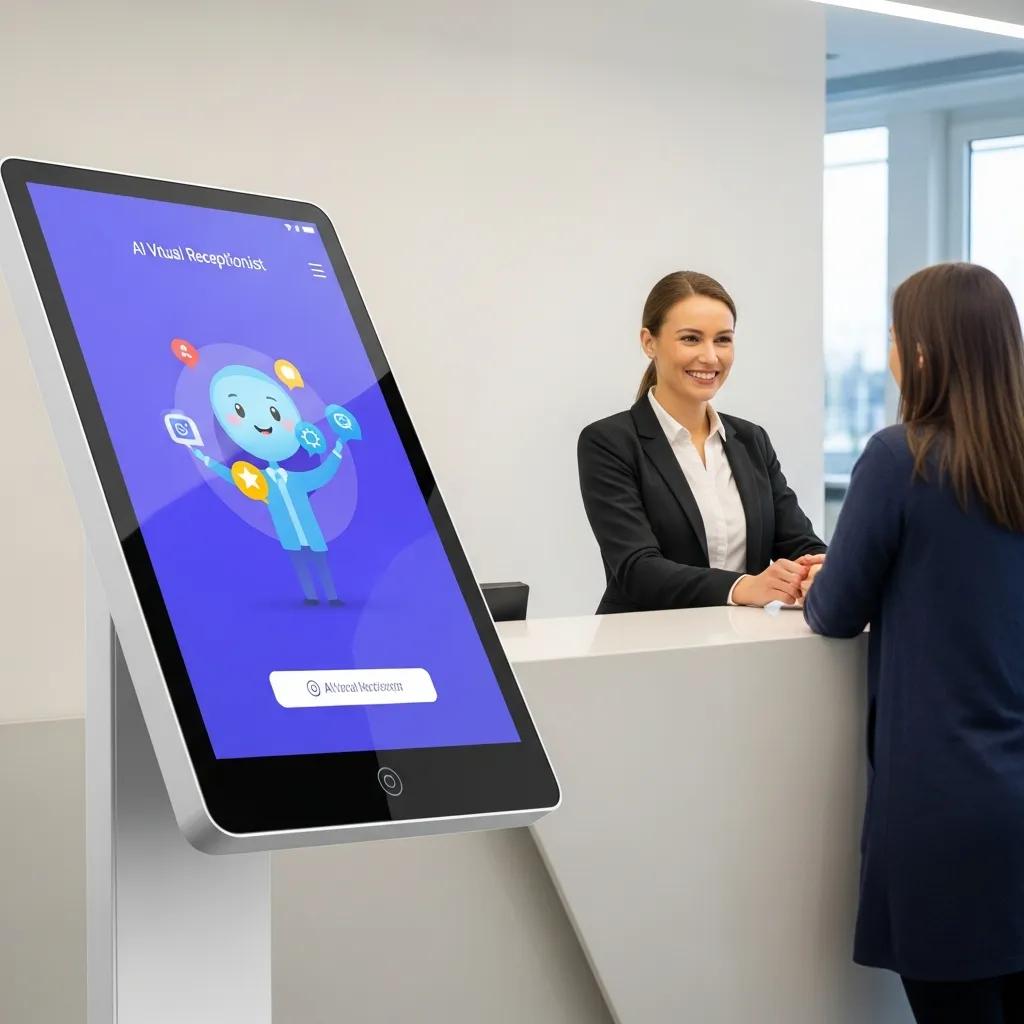
    AI virtual receptionist assisting customers in a garage setting

    AI-powered virtual receptionists offer numerous benefits for garages, transforming traditional customer service approaches. These benefits include:

    1. 24/7 Availability: Virtual receptionists ensure that customer inquiries are addressed at any time, enhancing accessibility.
    2. Efficiency Improvements: By automating routine tasks, voice agents free up human staff to focus on more complex customer interactions.
    3. Cost Reduction: Automating call handling reduces the need for additional staffing, leading to significant cost savings.

    These advantages make AI-powered virtual receptionists an invaluable asset for garages looking to improve their customer service operations.

    How Do Voice Agents Reduce Missed Calls and Enhance Customer Engagement?

    Voice agents play a crucial role in reducing missed calls and enhancing customer engagement. By providing 24/7 service, they ensure that customers can reach out at their convenience, significantly lowering the chances of missed opportunities. Instant responses from voice agents keep customers engaged, as they receive immediate answers to their queries.

    Moreover, the personalization capabilities of voice agents allow for tailored interactions, which can strengthen customer relationships. By recognizing returning customers and recalling previous interactions, voice agents create a more personalized experience that fosters loyalty and satisfaction.

    What Features Define Effective Car Dealership Call Answering Solutions?

    Effective call answering solutions for car dealerships are characterized by several key features:

    1. 24/7 Availability: Ensures that customer inquiries are addressed at any time, enhancing accessibility.
    2. Real-Time Appointment Booking: Allows customers to schedule service appointments seamlessly during their calls.
    3. Integration with CRM Systems: Facilitates the synchronization of customer data, improving service efficiency.

    These features are essential for dealerships aiming to provide exceptional customer service and streamline their operations.

    How Does Automotive Service Booking Automation Streamline Dealer Operations?

    Automated service booking system improving dealer operations in an automotive dealership

    Automotive service booking automation streamlines dealer operations by simplifying the appointment scheduling process. With real-time appointment booking capabilities, customers can easily schedule their service needs without the hassle of waiting for a human operator. This automation not only enhances customer satisfaction but also optimizes the workflow within the dealership.

    Additionally, the 24/7 support provided by voice agents ensures that customer inquiries are handled promptly, further improving operational efficiency. By reducing the administrative burden on staff, dealerships can focus on delivering high-quality service to their customers.

    Which Integration Capabilities Support Dealer Management Systems?

    Integration capabilities are vital for effective call answering solutions in automotive dealerships. Key integration features include:

    • Automatic Data Synchronization with CRM: Ensures that customer information is up-to-date and accessible.
    • Appointment Scheduling Integration: Streamlines the booking process, allowing for seamless customer interactions.
    • Streamlined Operations for Customer Experience: Enhances the overall customer journey by providing consistent and efficient service.

    The integration of AI with Dealer Management Systems is crucial for streamlining after-sales processes and ensuring data consistency across platforms.

    Automotive Dealer Management Systems with AI Integration

    This paper presents a thorough investigation into the design and implementation of a Dealer Management System tailored for the automotive industry. The DMS is intended to streamline after-sales processes such as inventory and expense management, service order creation, and financial data monitoring. The system integrates with a variety of other platforms, including ERP, CRM, and payment systems, which improves collaboration between dealers and distributors. The architecture of DMS, known as Copilot Next, is detailed, with a focus on the backend, frontend, and integration components. Sentinet and Dell Boomi are integration tools that allow for seamless connectivity with other systems. The findings show that the DMS effectively meets the needs of multiple vehicle brands, improves part ordering accuracy with AI tools, and ensures data consistency across systems.

    Design and Implementation of a Tailored Dealer Management System (DMS) for the Automotive Industry, 2024

    These integration capabilities are essential for dealerships looking to enhance their operational efficiency and customer satisfaction.

    How Does Scotsphere AI’s FlowSight Platform Optimize Voice Agent Performance?

    Scotsphere AI’s FlowSight platform optimizes voice agent performance through advanced analytics and real-time monitoring. This platform provides dealerships with the tools necessary to track call metrics and customer interactions, enabling continuous improvement in service delivery. Key features of FlowSight include:

    • 24/7 Call Answering Capabilities: Ensures that customer inquiries are addressed at any time.
    • Real-Time Appointment Booking: Facilitates seamless scheduling for customers.
    • Automated Reminders for Customers: Reduces no-shows and enhances customer engagement.

    By leveraging these features, dealerships can significantly improve their call handling efficiency and customer satisfaction.

    What Analytics and Reporting Features Enhance Call Handling Efficiency?

    Analytics and reporting features are crucial for enhancing call handling efficiency. These features provide dealerships with insights into call metrics, allowing them to identify areas for improvement. Key analytics capabilities include:

    • Real-Time Analytics on Call Metrics: Offers immediate insights into call volume and customer interactions.
    • Client Dashboard for Performance Tracking: Enables dealerships to monitor their service performance effectively.
    • Call Recording for Quality Assurance: Ensures that service standards are maintained and provides training opportunities for staff.

    These analytics features empower dealerships to make data-driven decisions that enhance their operational efficiency.

    How Does FlowSight Support Scalable and Cost-Effective Automation?

    FlowSight supports scalable and cost-effective automation by providing an integrated system for customer interactions. This platform allows dealerships to manage customer inquiries efficiently, regardless of volume. Key benefits of FlowSight include:

    • Real-Time Analytics for Performance Monitoring: Enables dealerships to track their service performance continuously.
    • Customizable Conversational Flows: Allows for tailored customer interactions that enhance engagement.
    • Integrated System for Customer Interactions: Streamlines communication and improves overall service delivery.

    By utilizing FlowSight, dealerships can achieve significant cost savings while maintaining high service standards.

    What Are Real-World Success Metrics and Case Studies for Voice Agents in Automotive Services?

    Real-world success metrics demonstrate the effectiveness of voice agents in automotive services. Key metrics include:

    • Increased Call Handling Efficiency: Voice agents can manage a higher volume of calls compared to traditional methods.
    • Improved Booking Rates: Many dealerships report significant increases in service bookings after implementing voice agents.
    • Cost Savings from Automation: Reducing the need for additional staffing leads to substantial cost reductions.

    These metrics highlight the tangible benefits that voice agents bring to automotive service operations.

    How Have Garages and Dealers Improved Booking Rates with AI Voice Agents?

    Garages and dealers have seen marked improvements in booking rates due to the implementation of AI voice agents. Case studies indicate that:

    • Increased Bookings: Many businesses report a 30% increase in service bookings after adopting voice agent technology.
    • Impact of Automation on Customer Engagement: Customers appreciate the convenience of 24/7 service, leading to higher satisfaction rates.
    • Efficiency Gains from AI Implementation: Automating routine inquiries allows staff to focus on more complex customer needs.

    These improvements underscore the value of AI voice agents in enhancing operational efficiency and customer satisfaction.

    What ROI Statistics Demonstrate the Value of Automotive Call Automation?

    ROI statistics provide compelling evidence of the value of automotive call automation. Key statistics include:

    • Cost Savings from Reduced Staffing: Businesses can save up to 40% on staffing costs by implementing voice agents.
    • Increased Revenue from Higher Booking Rates: The increase in service bookings can lead to a revenue boost of 25% or more.
    • Efficiency Improvements in Call Handling: Voice agents can handle up to 80% of routine inquiries, freeing staff for higher-value tasks.

    These statistics illustrate the financial benefits of adopting voice automation technologies in the automotive sector.

    How Do Voice Agents Integrate with Existing Garage and Dealer Systems?

    Integrating voice agents with existing garage and dealer systems is essential for maximizing their effectiveness. Key integration steps include:

    • Compatibility Assessment for Existing Systems: Ensures that voice agents can seamlessly connect with current technologies.
    • API Integration for Real-Time Data Access: Facilitates the flow of information between systems, enhancing service delivery.
    • Data Security Measures During Integration: Protects customer information and maintains compliance with data protection regulations.

    Beyond CRM, voice agents can also integrate with enterprise resource planning (ERP) systems, enabling hands-free operations and significant productivity gains.

    Voice-Enabled ERP for Hands-Free Operations

    Conversational AI is a relatively recent phenomenon that has significantly altered the way enterprise systems interact with users. In this paper, the author provides a detailed report on how Oracle Digital Assistant (ODA) was integrated with Oracle Fusion ERP to enable hands-free operation through voice commands. The use of voice-based ERP systems represents a revolutionary change from keyboard/GUI-based programs in new ERP systems, where natural language is the preferred method of interaction. The paper highlights the prospects of such a union in areas such as productivity, saving time through manual processes, and providing a comprehensive user experience.

    Voice-Enabled ERP: Integrating Oracle Digital Assistant with Fusion ERP for Hands-Free Operations, N Karri, 2023

    These integration processes are crucial for ensuring that voice agents function effectively within existing operational frameworks.

    What Are the Technical Setup Steps for Dealer Service Appointment Scheduling?

    Setting up voice agents for dealer service appointment scheduling involves several technical steps:

    1. Assessment of Current Systems: Evaluate existing technologies to determine compatibility with voice agents.
    2. Choosing the Right AI Solution: Select a voice agent solution that meets the specific needs of the dealership.
    3. Testing and Deployment of the System: Conduct thorough testing to ensure functionality before going live.

    These steps are essential for a successful implementation of voice agents in service appointment scheduling.

    Which Systems Commonly Integrate with Virtual Receptionist Software?

    Several systems commonly integrate with virtual receptionist software to enhance functionality. These include:

    • CRM Systems for Customer Data Management: Ensures that customer information is readily available for personalized service.
    • Appointment Scheduling Tools for Booking: Streamlines the booking process for customers.
    • Communication Platforms for Seamless Interaction: Facilitates effective communication between customers and staff.

    These integrations are vital for maximizing the effectiveness of virtual receptionist solutions.

    What Are Common Questions About Voice Agents for Garages and Dealers?

    Common questions regarding voice agents for garages and dealers include:

    1. What functionalities do voice agents offer?: Voice agents can handle inquiries, schedule appointments, and provide information about services.
    2. What are the benefits of using AI in garages?: AI enhances efficiency, reduces costs, and improves customer satisfaction.
    3. What integration challenges might arise?: Compatibility with existing systems and data security are common concerns.

    Addressing these questions helps clarify the value and functionality of voice agents in the automotive industry.

    How Secure Is AI Voice Technology for Automotive Service Departments?

    AI voice technology for automotive service departments is designed with security in mind. Key security measures include:

    • Data Encryption for Voice Communications: Protects sensitive customer information during interactions.
    • Compliance with Data Protection Standards: Ensures adherence to regulations governing customer data.
    • Potential Vulnerabilities and Best Practices: Regular updates and security audits help mitigate risks.

    These security features are essential for maintaining customer trust and ensuring compliance with industry standards.

    What Are the Typical Pricing Models for Garage Phone Answering Services?

    Garage phone answering services typically offer several pricing models to accommodate different needs:

    1. Per Call Pricing for Variable Volumes: Ideal for businesses with fluctuating call volumes.
    2. Monthly Subscription for Consistent Demand: Provides predictable costs for regular service needs.
    3. Pay-As-You-Go for Flexibility: Allows businesses to pay only for the services they use.

    These pricing models offer flexibility for garages and dealers looking to implement voice agent solutions.

    How Can Garages and Dealers Monitor and Optimize Voice Agent Performance?

    Monitoring and optimizing voice agent performance is crucial for maximizing their effectiveness. Key strategies include:

    • Key Performance Indicators for Voice Agents: Metrics such as call resolution rates and customer satisfaction scores help assess performance.
    • Monitoring Tools for Performance Tracking: Utilize analytics platforms to track call metrics and identify areas for improvement.
    • Optimization Strategies for Improved Efficiency: Regularly review performance data to refine processes and enhance service delivery.

    These strategies ensure that voice agents continue to meet the evolving needs of garages and dealers.

    Which KPIs Measure Call Handling Efficiency and Customer Satisfaction?

    Key performance indicators (KPIs) are essential for measuring call handling efficiency and customer satisfaction. Important KPIs include:

    1. Call Resolution Rates: Indicates the effectiveness of voice agents in addressing customer inquiries.
    2. Customer Satisfaction Scores: Provides insights into customer perceptions of service quality.
    3. Response Times: Measures the speed at which customer inquiries are addressed.

    These KPIs are vital for assessing the impact of voice agents on overall service quality.

    What Tools Support Ongoing Semantic Entity Tracking and Content Updates?

    Ongoing semantic entity tracking and content updates are supported by various tools. Key tools include:

    • Google Alerts for Monitoring Trends: Keeps businesses informed about industry developments and customer interests.
    • Industry Feeds for News Updates: Provides timely information on relevant topics and trends.
    • Entity Tracking Tools for Knowledge Graph Updates: Ensures that content remains relevant and accurate.

    These tools are essential for maintaining up-to-date information and enhancing content quality.

    What Are Future Trends in AI Voice Agents for Automotive Service Booking?

    Future trends in AI voice agents for automotive service booking include advancements in natural language processing (NLP) and machine learning. These developments will lead to:

    • Advanced Capabilities in NLP and Machine Learning: Enhances the ability of voice agents to understand and respond to complex inquiries.
    • Increased Personalization and Context Awareness: Allows for more tailored customer interactions based on individual preferences.
    • Growing Adoption Rates Among SMEs: Small and medium enterprises are increasingly recognizing the value of voice automation.

    These trends indicate a promising future for AI voice agents in the automotive industry.

    How Is AI Adoption Evolving in Garages and Car Dealerships Through 2026?

    AI adoption in garages and car dealerships is evolving rapidly, driven by the need for improved efficiency and customer service. Key trends include:

    • Integration with Existing Systems for Efficiency: Businesses are increasingly looking to integrate AI solutions with their current technologies.
    • Personalization Based on Customer History: AI systems are becoming more adept at providing personalized service based on past interactions.
    • 24/7 Availability for Customer Support: The demand for round-the-clock service is pushing more businesses to adopt AI solutions.

    These developments highlight the growing importance of AI in the automotive sector.

    What Innovations Are Expected in Virtual Receptionist and Call Automation Technologies?

    Innovations in virtual receptionist and call automation technologies are set to enhance customer service capabilities. Expected innovations include:

    • Real-Time Appointment Booking Capabilities: Streamlines the scheduling process for customers.
    • Sentiment Analysis for Customer Interactions: Provides insights into customer emotions during calls, allowing for more tailored responses.
    • Automated Follow-Ups for Customer Engagement: Ensures that customers receive timely reminders and follow-ups, enhancing their experience.

    These innovations will further solidify the role of voice agents in improving customer service in the automotive industry.

  • Enterprise & Custom Solutions

    Enterprise & Custom Solutions: Comprehensive Guide to AI-Powered Contact Center Platforms and Pricing Models

    In the rapidly evolving landscape of customer service, enterprise AI contact center solutions have emerged as a game-changer. These advanced systems leverage artificial intelligence to enhance customer interactions, streamline operations, and provide valuable insights through data analytics. This comprehensive guide delves into the intricacies of AI-powered contact center platforms, focusing on their benefits, pricing models, and the unique offerings of Scotsphere AI. Many enterprises face challenges in maintaining high levels of customer engagement while managing operational costs. AI solutions present a viable answer by automating processes and providing real-time analytics. Throughout this article, we will explore the various aspects of enterprise AI contact centers, including the role of custom voice agents, the impact of AI-driven analytics, and the pricing structures that govern these solutions.

    What Are Enterprise AI Contact Center Solutions and Their Benefits?

    Enterprise AI contact center solutions are sophisticated systems designed to enhance customer service through automation and intelligent data processing. These solutions utilize advanced technologies, such as natural language processing and machine learning, to improve customer interactions and operational efficiency. By automating routine tasks, these systems allow human agents to focus on more complex inquiries, ultimately leading to improved customer satisfaction and loyalty.

    The benefits of implementing enterprise AI contact center solutions are manifold. Firstly, they significantly enhance customer engagement by providing personalized interactions based on customer data and preferences. Secondly, these solutions improve operational efficiency by reducing response times and minimizing the workload on human agents. Lastly, the integration of AI-driven analytics enables businesses to gain insights into customer behavior, allowing for data-driven decision-making that can further enhance service delivery.

    A strategic approach to integrating AI is crucial for realizing these benefits, encompassing everything from infrastructure to ethical considerations.

    Strategic AI Integration for Enterprise Contact Centers

    This article examines the strategic implementation of Artificial Intelligence (AI) in enterprise contact centers, focusing on the transformation of customer service delivery and operational efficiency. The article explores four critical aspects: technological infrastructure assessment, AI model development methodologies, human-AI collaboration frameworks, and compliance with ethical standards. Through comprehensive analysis of recent research and industry practices, the article demonstrates how AI integration enhances customer experience, improves agent productivity, and optimizes operational costs while maintaining service quality. The article highlights the importance of structured implementation approaches, robust training methodologies, and ethical considerations in successful AI deployment within contact center environments.

    Artificial Intelligence Integration in Enterprise Contact Centers: A Strategic Framework for Implementation, 2025

    How Do Custom AI Voice Agents Enhance Customer Engagement?

    Custom AI voice agent device being used in a home office setting

    Custom AI voice agents play a pivotal role in enhancing customer engagement by providing personalized and efficient interactions. These voice agents are designed to understand and respond to customer inquiries in a natural and conversational manner, making the interaction feel more human-like. By leveraging advanced natural language processing capabilities, custom voice agents can interpret customer intent and provide relevant responses, thereby improving the overall customer experience.

    Moreover, these voice agents can be integrated with existing systems, allowing for seamless access to customer data and history. This integration enables the voice agents to offer tailored solutions and recommendations, further enhancing customer satisfaction. Additionally, the cost-effectiveness of deploying AI voice agents allows enterprises to scale their customer service operations without a proportional increase in staffing costs.

    What Role Does AI-Driven Analytics Play in Enterprise Support?

    Business professionals analyzing AI-driven analytics on a corporate dashboard

    AI-driven analytics are crucial in enhancing enterprise support by providing actionable insights derived from customer interactions. These analytics tools analyze vast amounts of data to identify patterns and trends that can inform business strategies. By understanding customer behavior and preferences, enterprises can tailor their services to meet the evolving needs of their clientele.

    The impact of AI-driven analytics on operational efficiency is significant. For instance, businesses can identify bottlenecks in their service processes and implement changes to streamline operations. Furthermore, these analytics can help in forecasting customer demand, allowing enterprises to allocate resources more effectively. By leveraging data-driven decision-making, companies can enhance their service delivery and improve overall customer satisfaction.

    How Is Enterprise Software Pricing Structured for AI Contact Centers?

    The pricing structure for enterprise AI contact center solutions can vary significantly based on several factors, including the features offered, the scale of deployment, and the specific needs of the business. Generally, pricing models can be categorized into subscription-based, pay-per-use, and tiered pricing structures. Each model has its advantages and is suited to different types of enterprises.

    1. Subscription-Based Pricing: This model involves a fixed monthly or annual fee for access to the software and its features. It is ideal for businesses that require consistent service and support.
    2. Pay-Per-Use Pricing: In this model, businesses pay based on the actual usage of the service, making it a flexible option for companies with fluctuating demand.
    3. Tiered Pricing Structures: This approach offers different pricing levels based on the features and services included, allowing businesses to choose a plan that best fits their needs.

    Understanding these pricing structures is essential for enterprises looking to invest in AI contact center solutions, as it allows them to align their budget with their operational requirements.

    What Are the Common Pricing Models for Enterprise Contact Center Solutions?

    When considering enterprise contact center solutions, businesses encounter several common pricing models that cater to different operational needs. These models include:

    1. Subscription-Based Pricing: This model provides a predictable cost structure, making budgeting easier for enterprises. It typically includes access to all features and regular updates.
    2. Pay-Per-Use Pricing: This flexible model allows businesses to pay only for the services they use, which can be beneficial for companies with variable call volumes.
    3. Tiered Pricing Structures: This model offers various levels of service at different price points, enabling businesses to select a plan that aligns with their specific needs and budget.

    These pricing models provide enterprises with options to choose from based on their operational requirements and financial constraints.

    How Does Scotsphere AI’s Scalable Pricing Compare to Competitors?

    Scotsphere AI offers scalable pricing models that are designed to meet the diverse needs of enterprises. Their pricing structure is competitive, providing flexibility and value compared to other providers in the market. Scotsphere AI’s solutions are tailored to accommodate businesses of varying sizes, ensuring that each client can find a plan that suits their operational demands.

    The unique value proposition of Scotsphere AI lies in its advanced natural language processing capabilities and real-time analytics through FlowSight. This combination not only enhances customer engagement but also provides businesses with the tools needed to optimize their operations. By comparing Scotsphere AI’s pricing with competitors, enterprises can see the added value in terms of features and support, making it a compelling choice for those seeking AI-powered contact center solutions.

    What Features Define Custom AI Voice Agents and Contact Center Automation?

    Custom AI voice agents are characterized by several key features that enhance their effectiveness in contact center automation. These features include:

    1. Natural Language Processing: This technology enables voice agents to understand and respond to customer inquiries in a conversational manner, improving the overall customer experience.
    2. Integration Capabilities: Custom voice agents can be integrated with existing systems, allowing for seamless access to customer data and history.
    3. Personalization Features: By leveraging customer data, these agents can provide tailored responses and recommendations, further enhancing customer engagement.

    These features collectively contribute to the effectiveness of custom AI voice agents in automating contact center operations and improving customer satisfaction.

    Which Capabilities Make Custom Voice Agents Effective for Enterprises?

    The effectiveness of custom voice agents in enterprise settings is driven by several capabilities that enhance their performance. These include:

    1. Natural Language Processing: This capability allows voice agents to understand and interpret customer inquiries accurately, leading to more relevant responses.
    2. 24/7 Availability: Custom voice agents can operate around the clock, ensuring that customer inquiries are addressed promptly, regardless of the time of day.
    3. Learning from Interactions: These agents can learn from past interactions, continuously improving their responses and enhancing the customer experience over time.

    These capabilities make custom voice agents a valuable asset for enterprises looking to improve their customer service operations.

    How Does Contact Center Automation Improve Operational Efficiency?

    Contact center automation significantly enhances operational efficiency by streamlining processes and reducing the workload on human agents. Automation allows for the handling of routine inquiries without human intervention, freeing up agents to focus on more complex issues. This leads to faster response times and improved customer satisfaction.

    Additionally, automation can reduce staffing needs, as fewer agents are required to manage the same volume of inquiries. This not only lowers operational costs but also allows for better resource allocation. By implementing automation in contact centers, enterprises can achieve a more efficient and effective service delivery model.

    Further research highlights how AI and machine learning are pivotal in optimizing contact center resources, moving beyond traditional models to predict loads and allocate staffing effectively.

    AI & ML for Contact Center Resource Optimization

    This article provides an in-depth examination of contemporary call handling models used incontact centers, emphasizing their evolution and adaptation to current technological advancements. The study starts with classical models, such as the Erlang models (Erlang B, Erlang C, and Erlang A), which are grounded inPoisson processesand Markov chains, and highlights their applicability in different contact center scenarios. These models are crucial for evaluating system performance, such as calculating the probability of service denial, waiting times, and the optimal number of agents needed. In addition to these traditional models, the article also explores more advanced approaches that incorporateartificial intelligence(AI) andmachine learning(ML). These modern techniques are increasingly used for predicting incoming call loads, optimizing resource allocation, and staffing.

    An overview of models for contact center resource planning, 2024

    How Does Integration and Security Impact Enterprise AI Solution Adoption?

    Integration and security are critical factors influencing the adoption of enterprise AI solutions. Businesses must ensure that their AI systems can seamlessly integrate with existing technologies to maximize their effectiveness. This integration capability allows for a smoother transition and better utilization of resources.

    Moreover, security compliance is paramount in building customer trust. Enterprises must adhere to data protection regulations and ensure that their AI solutions are secure from breaches. By prioritizing integration and security, businesses can foster a more favorable environment for AI solution adoption, ultimately enhancing their operational capabilities.

    What Integration Flexibility Do Scotsphere AI Solutions Offer?

    Scotsphere AI solutions provide extensive integration flexibility, allowing businesses to connect their AI systems with existing platforms and technologies. This flexibility is crucial for enterprises looking to enhance their customer service operations without overhauling their current systems.

    Key integration features include:

    1. APIs for System Connectivity: Scotsphere AI offers robust APIs that facilitate seamless integration with various software applications.
    2. Customizable Conversational Flows: Businesses can tailor the conversational flows of their AI voice agents to align with their specific operational needs.
    3. Real-Time Data Access: The ability to access real-time data ensures that voice agents can provide accurate and timely responses to customer inquiries.

    This integration flexibility positions Scotsphere AI as a leader in the enterprise AI solutions market, enabling businesses to optimize their customer service operations effectively.

    Which Security Certifications Ensure Compliance in AI Contact Centers?

    Security certifications play a vital role in ensuring compliance in AI contact centers. These certifications demonstrate a commitment to data protection and regulatory adherence. Key certifications relevant to AI contact centers include:

    1. ISO/IEC 27001: This certification outlines the requirements for establishing, implementing, maintaining, and continually improving an information security management system.
    2. NIST Guidelines: The National Institute of Standards and Technology provides a framework for improving critical infrastructure cybersecurity.
    3. GDPR Compliance: The General Data Protection Regulation sets guidelines for the collection and processing of personal information within the European Union.

    By obtaining these certifications, AI contact centers can assure clients of their commitment to security and compliance, fostering trust and confidence in their services.

    What Are Real-World Success Stories Using Scotsphere AI’s Enterprise Solutions?

    Scotsphere AI has a proven track record of success in implementing enterprise solutions that enhance operational efficiency and customer satisfaction. Several businesses have reported significant improvements in their customer service operations after adopting Scotsphere AI’s solutions.

    For instance, a leading retail company utilized Scotsphere AI’s custom voice agents to handle customer inquiries, resulting in a 30% reduction in response times and a 25% increase in customer satisfaction scores. Another case study highlighted a financial services firm that leveraged AI-driven analytics to optimize their service delivery, leading to a 40% increase in operational efficiency.

    These success stories illustrate the tangible benefits that enterprises can achieve by integrating Scotsphere AI’s solutions into their operations.

    How Have Custom Voice Agents Delivered ROI for Enterprises?

    Custom voice agents have proven to deliver a strong return on investment (ROI) for enterprises by enhancing customer engagement and reducing operational costs. Businesses that have implemented these AI solutions often report significant savings in staffing and training expenses.

    Metrics demonstrating ROI include:

    1. Increased Customer Retention: Companies have seen improved customer loyalty due to enhanced service experiences.
    2. Cost Savings: Automation of routine inquiries has led to reduced staffing needs, resulting in lower operational costs.
    3. Higher Efficiency: The ability to handle a larger volume of inquiries without additional resources has improved overall service efficiency.

    These metrics underscore the financial benefits of adopting custom voice agents, making them a worthwhile investment for enterprises.

    What Lessons Do Case Studies Reveal About AI Contact Center Implementation?

    Case studies of AI contact center implementations reveal several key lessons that can guide enterprises in their adoption of these technologies. Common challenges faced during implementation include:

    1. Integration Issues: Ensuring that AI solutions can seamlessly integrate with existing systems is crucial for success.
    2. Change Management: Organizations must prepare their staff for the transition to AI-driven processes to minimize resistance and ensure smooth adoption.
    3. Continuous Improvement: Regularly assessing and optimizing AI systems is essential to maintain their effectiveness and relevance.

    By learning from these case studies, enterprises can better navigate the complexities of AI contact center implementation and maximize their investment in these technologies.

    How Can Enterprises Monitor and Optimize AI Contact Center Performance?

    Monitoring and optimizing AI contact center performance is essential for ensuring that these systems deliver the desired results. Enterprises can employ several strategies to assess and enhance their AI solutions:

    1. Key Performance Indicators (KPIs): Establishing KPIs such as call resolution rates and customer satisfaction scores allows businesses to track performance effectively.
    2. Performance Assessment Tools: Utilizing analytics tools can provide insights into system performance and identify areas for improvement.
    3. Continuous Improvement Strategies: Implementing feedback loops and regular assessments can help enterprises refine their AI systems over time.

    By focusing on these strategies, businesses can ensure that their AI contact centers remain effective and continue to meet customer expectations.

    What KPIs Are Essential for Tracking AI Contact Center Success?

    Tracking the success of AI contact centers requires the identification of key performance indicators (KPIs) that reflect operational efficiency and customer satisfaction. Essential KPIs include:

    1. Call Resolution Rates: This metric measures the percentage of customer inquiries resolved on the first contact, indicating the effectiveness of the AI system.
    2. Customer Satisfaction Scores: Gathering feedback from customers can provide insights into their experiences and highlight areas for improvement.
    3. Response Times: Monitoring the average time taken to respond to customer inquiries can help assess the efficiency of the contact center.

    By focusing on these KPIs, enterprises can gain valuable insights into their AI contact center performance and make informed decisions for optimization.

    How Does FlowSight Provide Real-Time Analytics for Continuous Improvement?

    FlowSight is an advanced analytics platform that enhances AI contact center performance by providing real-time data and insights. This platform enables businesses to monitor customer interactions and operational metrics continuously, allowing for timely adjustments and improvements.

    Key features of FlowSight include:

    1. Real-Time Data Access: Businesses can access up-to-date information on customer interactions, enabling quick decision-making.
    2. Integration with Existing Systems: FlowSight can seamlessly integrate with other software applications, providing a comprehensive view of performance metrics.
    3. Ongoing Development and Training: The platform supports continuous learning and adaptation, ensuring that AI systems remain effective over time.

    By leveraging FlowSight, enterprises can enhance their AI contact center operations and drive continuous improvement.

    What Are the Latest Trends and Future Outlook for Enterprise AI Contact Centers?

    The landscape of enterprise AI contact centers is continually evolving, with several trends shaping the future of customer service. Key trends include:

    1. Increased AI Adoption: More enterprises are recognizing the value of AI in enhancing customer service and are investing in these technologies.
    2. Innovations in Voice Agent Technology: Advances in natural language processing and machine learning are leading to more sophisticated and capable voice agents.
    3. Focus on Customer Experience: Businesses are prioritizing customer experience, using AI to deliver personalized and efficient service.

    The future outlook for enterprise AI contact centers is promising, with continued growth and innovation expected in the coming years.

    How Is AI Adoption Growing in Enterprise Contact Centers Through 2026?

    AI adoption in enterprise contact centers is projected to grow significantly through 2026, driven by advancements in technology and increasing demand for efficient customer service solutions. Statistics indicate that a growing number of businesses are integrating AI into their operations, recognizing its potential to enhance customer engagement and streamline processes.

    Factors driving this growth include:

    1. Technological Advancements: Continuous improvements in AI capabilities are making these solutions more accessible and effective.
    2. Cost Efficiency: The potential for cost savings through automation is a compelling reason for enterprises to adopt AI solutions.
    3. Customer Expectations: As customers demand faster and more personalized service, businesses are turning to AI to meet these expectations.

    This trend highlights the importance of AI in shaping the future of customer service in enterprise settings.

    What Innovations Are Shaping Custom Voice Agent Development?

    Innovations in custom voice agent development are transforming the way businesses interact with customers. Key advancements include:

    1. Enhanced Natural Language Processing: Improvements in NLP technology are enabling voice agents to understand and respond to customer inquiries more effectively.
    2. Integration Capabilities: New developments allow for better integration with existing systems, enhancing the overall functionality of voice agents.
    3. Adaptive Learning: Custom voice agents are increasingly capable of learning from interactions, allowing them to improve their responses over time.

    These innovations are driving the evolution of custom voice agents, making them more effective tools for enhancing customer engagement.

    The next frontier in this evolution involves agentic AI systems, which offer advanced capabilities for autonomous reasoning and sophisticated customer interactions.

    Agentic AI for Advanced Customer Service & Contact Centers

    Agentic Artificial Intelligence systems represent a transformative evolution in customer service automation, moving beyond traditional rule-based architectures toward autonomous, reasoning-capable agents that demonstrate emergent behaviors through foundation model integration. This technical review evaluates the conceptual foundations, architectural frameworks, and practical implementations of agentic systems across customer service environments. The evaluation encompasses five major frameworks, including Auto-GPT, LangChain Agents, CrewAI, OpenAgents, and MetaGPT, examining their capabilities in planning, collaboration, tool integration, and scalability. Contemporary implementations demonstrate sophisticated multi-layered reasoning systems that leverage Retrieval-Augmented Generation for dynamic knowledge access while maintaining contextual coherence across extended customer interactions. Critical architectural components include task planners, memory engines, tool orch

    Agentic AI for Customer Service and Contact Center Solutions, 2025

    Where Can Enterprises Find Resources and Support for AI Contact Center Solutions?

    Enterprises seeking resources and support for AI contact center solutions can access a variety of options. Key resources include:

    1. Educational Materials: Many organizations offer training materials and guides to help businesses understand AI technologies and their applications.
    2. Support Channels: Dedicated support teams can assist enterprises in implementing and optimizing their AI solutions.
    3. Best Practices for Implementation: Resources outlining best practices can help businesses navigate the complexities of AI adoption.

    By leveraging these resources, enterprises can enhance their understanding of AI contact center solutions and maximize their investment.

    What Educational Materials Help Understand AI Voice Agent Customization?

    To effectively customize AI voice agents, enterprises can utilize various educational materials that provide insights into best practices and methodologies. Key resources include:

    1. Initial Consultation Resources: Many providers offer consultations to help businesses understand their specific needs and how to tailor AI solutions accordingly.
    2. Training Materials: Comprehensive training programs can equip teams with the knowledge needed to implement and manage AI voice agents effectively.
    3. Best Practices for Integration: Guides outlining best practices for integrating AI voice agents with existing systems can facilitate smoother transitions.

    These educational materials are essential for enterprises looking to optimize their use of AI voice agents.

    How Does Scotsphere AI Support Integration and Implementation?

    Scotsphere AI provides robust support for integration and implementation, ensuring that businesses can effectively leverage their AI solutions. Key aspects of their support include:

    1. Structured Onboarding Process: Scotsphere AI offers a comprehensive onboarding process to help businesses transition smoothly to their AI systems.
    2. Training and Deployment Support: Ongoing training and support are available to ensure that teams are equipped to manage and optimize their AI solutions.
    3. Real-Time Analytics and Monitoring: Scotsphere AI provides tools for real-time monitoring and analytics, allowing businesses to track performance and make data-driven decisions.

    This support framework positions Scotsphere AI as a valuable partner for enterprises looking to implement AI contact center solutions effectively.

  • Telephony & SIP Integration

    Comprehensive Guide to Telephony & SIP Integration with VoIP Gateway and SIP Provider Solutions

    Telephony and SIP integration are crucial components in modern business communications, enabling seamless connectivity and enhanced operational efficiency. This comprehensive guide delves into the intricacies of SIP trunking and VoIP integration, providing insights into their mechanisms, benefits, and practical applications. Many organizations face challenges in optimizing their communication systems, often leading to inefficiencies and increased costs. By understanding SIP trunking and its integration with VoIP systems, businesses can leverage these technologies to improve communication quality and reduce expenses. This article will cover essential topics, including the workings of SIP trunking, its benefits, integration procedures, and the role of AI in enhancing telephony analytics.

    What is SIP Trunking and How Does It Enhance Telephony Integration?

    SIP trunking is a method that allows businesses to connect their private branch exchange (PBX) systems to the internet, enabling voice and multimedia communication over IP networks. This technology enhances telephony integration by providing a cost-effective and scalable solution for managing voice calls. By utilizing SIP trunking, organizations can streamline their communication processes, reduce reliance on traditional phone lines, and improve overall call quality. The flexibility of SIP trunking allows businesses to adapt to changing communication needs, making it an essential component of modern telephony systems.

    How Does SIP Trunking Work with VoIP Phone Systems?

    SIP trunking operates by establishing a direct connection between a VoIP phone system and the internet, allowing for the transmission of voice data in real-time. This process involves the use of SIP (Session Initiation Protocol) to initiate, maintain, and terminate calls. When a call is made, the VoIP system sends a SIP request to the SIP trunk provider, which then routes the call over the internet to the recipient. This method not only reduces costs associated with traditional phone lines but also enhances call quality through advanced compression techniques. Understanding the operational mechanics of SIP trunking is vital for businesses looking to optimize their VoIP systems.

    What Are the Key Benefits of Using SIP Providers for Business Communications?

    Visual representation of SIP trunking benefits including cost savings and improved communication quality

    Utilizing SIP providers offers several advantages for business communications, including:

    1. Cost Savings: SIP trunking significantly reduces telephony costs by eliminating the need for traditional phone lines and allowing for unlimited calling plans.
    2. Scalability: Businesses can easily scale their communication systems by adding or removing SIP trunks as needed, accommodating growth without significant infrastructure changes.
    3. Improved Communication Quality: SIP providers often offer enhanced call quality through advanced codecs and prioritization of voice traffic, ensuring clear and reliable communication.

    These benefits make SIP providers an attractive option for businesses seeking to enhance their communication capabilities.

    Indeed, the robust performance of SIP trunking is well-documented, demonstrating its capacity to manage high call volumes efficiently.

    SIP Trunking Implementation: High Performance VoIP Systems

    configured with SIP trunks, successfully handled up to 1,000 simultaneous calls without degradation in quality or performance

    Implementation of SIP Trunking in Asterisk-Based VoIP Systems, Z Asimiyu, 2024

    How to Integrate SIP Trunks with Existing PBX and VoIP Gateways?

    Integrating SIP trunks with existing PBX and VoIP gateways involves several key steps:

    1. Assess Compatibility: Ensure that the current PBX system supports SIP trunking and identify any necessary upgrades.
    2. Configure Network Settings: Adjust firewall and router settings to allow SIP traffic, ensuring secure and efficient communication.
    3. Provision SIP Trunks: Work with the SIP provider to provision the necessary trunks and configure them within the PBX system.

    By following these steps, businesses can successfully integrate SIP trunks into their existing communication infrastructure, enhancing overall performance and reliability.

    What Are the Step-by-Step Procedures for SIP Integration Solutions?

    The step-by-step procedures for SIP integration solutions include:

    1. Planning: Assess current communication needs and determine the required number of SIP trunks.
    2. Selection of SIP Provider: Choose a reliable SIP provider that meets the organization’s needs and budget.
    3. Configuration: Set up the SIP trunks within the PBX system, ensuring proper routing and security settings.
    4. Testing: Conduct thorough testing to ensure that calls are being routed correctly and that call quality meets expectations.
    5. Monitoring and Maintenance: Regularly monitor the performance of the SIP trunks and make adjustments as necessary to maintain optimal functionality.

    These procedures provide a structured approach to implementing SIP integration solutions effectively.

    Which VoIP Gateway Configurations Optimize SIP Trunk Performance?

    Optimizing SIP trunk performance requires careful consideration of VoIP gateway configurations. Key configurations include:

    1. Quality of Service (QoS): Implement QoS settings to prioritize voice traffic over other types of data, ensuring clear call quality.
    2. Codec Selection: Choose appropriate codecs that balance call quality and bandwidth usage, optimizing performance based on network conditions.
    3. Redundancy and Failover: Set up redundant connections and failover mechanisms to maintain service continuity in case of network issues.

    By focusing on these configurations, businesses can enhance the performance of their SIP trunks and ensure reliable communication.

    Further emphasizing the importance of these configurations, particularly QoS, research highlights their role in securing VoIP and improving financial outcomes.

    SIP Trunking Benefits: QoS, Financial Performance & VoIP Security

    By applying the correct Quality of Service (QoS) settings, thus leading to improved financial performance for all of the partners when it comes to securing VoIP in SIP trunking scenarios.

    SIP trunking benefits and best practices, 2006

    What Are the Pricing Models and ROI of SIP Trunking Services?

    SIP trunking services typically offer various pricing models, including:

    1. Pay-as-You-Go: Businesses pay for the actual usage of SIP trunks, making it a flexible option for fluctuating call volumes.
    2. Flat-Rate Plans: A fixed monthly fee covers unlimited calling, providing predictable costs for budgeting.
    3. Hybrid Models: Combining elements of both pay-as-you-go and flat-rate plans, allowing businesses to tailor their SIP trunking costs to their specific needs.

    Understanding these pricing models is essential for evaluating the return on investment (ROI) of SIP trunking services, as they can lead to significant cost savings over traditional telephony solutions.

    How Does SIP Trunk Pricing Compare Across Leading Providers?

    When comparing SIP trunk pricing across leading providers, businesses should consider factors such as:

    • Call Rates: The cost per minute for domestic and international calls.
    • Setup Fees: Any initial costs associated with provisioning SIP trunks.
    • Monthly Fees: Recurring charges for maintaining the service.

    By analyzing these factors, organizations can make informed decisions about which SIP provider offers the best value for their communication needs.

    What Factors Influence the Cost of VoIP Phone Systems and SIP Integration?

    Several factors influence the cost of VoIP phone systems and SIP integration, including:

    1. Number of Users: The more users that require access to the system, the higher the overall cost.
    2. Features and Functionality: Advanced features such as call recording, conferencing, and analytics can increase costs.
    3. Hardware Requirements: The need for new hardware, such as IP phones or gateways, can add to the initial investment.

    Understanding these cost determinants helps businesses budget effectively for their VoIP and SIP integration projects.

    How Does AI Enhance Telephony Analytics in SIP Integration?

    Abstract representation of AI technology enhancing telephony analytics

    AI plays a significant role in enhancing telephony analytics within SIP integration by providing advanced data analysis capabilities. Through machine learning algorithms, AI can identify patterns in call data, enabling businesses to gain insights into call performance, customer interactions, and operational efficiency. This data-driven approach allows organizations to make informed decisions that improve communication strategies and enhance customer experiences.

    What Are the Benefits of AI-Powered Call Analytics Platforms Like FlowSight?

    AI-powered call analytics platforms, such as FlowSight, offer several key benefits:

    1. Enhanced Data Insights: AI algorithms analyze call data to provide actionable insights that can improve communication strategies.
    2. Improved Decision-Making: Organizations can leverage data-driven insights to make informed decisions about resource allocation and operational improvements.
    3. Real-Time Analytics: AI platforms provide real-time data analysis, allowing businesses to respond quickly to emerging trends and issues.

    These benefits highlight the value of integrating AI-powered analytics into telephony systems for improved performance.

    How Can AI Improve Communication Efficiency and Security in SIP Deployments?

    AI enhances communication efficiency and security in SIP deployments by automating routine tasks and identifying potential security threats. For instance, AI can monitor call patterns to detect anomalies that may indicate fraud or unauthorized access. Additionally, AI-driven systems can optimize call routing and resource allocation, ensuring that communication flows smoothly and efficiently.

    What Security Best Practices Should Be Followed in SIP Trunk Deployments?

    Implementing security best practices in SIP trunk deployments is essential to protect against potential threats. Key practices include:

    1. Use of Strong Authentication: Implement robust authentication methods to prevent unauthorized access to SIP trunks.
    2. Encryption: Utilize encryption protocols to secure voice data during transmission, safeguarding sensitive information.
    3. Regular Security Audits: Conduct periodic security audits to identify vulnerabilities and ensure compliance with industry standards.

    By following these best practices, organizations can enhance the security of their SIP trunk deployments and protect their communication systems.

    How to Protect VoIP Systems from Common SIP Security Threats?

    To protect VoIP systems from common SIP security threats, businesses should:

    1. Implement Firewalls: Use firewalls to block unauthorized access to SIP ports and protocols.
    2. Monitor Traffic: Regularly monitor network traffic for unusual patterns that may indicate security breaches.
    3. Update Software: Keep all software and firmware up to date to mitigate vulnerabilities.

    These strategies help safeguard VoIP systems against potential security threats and ensure reliable communication.

    What Are the Recommended Protocols and Standards for Secure SIP Integration?

    For secure SIP integration, organizations should adhere to recommended protocols and standards, including:

    1. SIP over TLS: Utilizing Transport Layer Security (TLS) to encrypt SIP signaling messages.
    2. SRTP: Secure Real-Time Transport Protocol (SRTP) for encrypting voice data during transmission.
    3. RFC 3261: Following the specifications outlined in RFC 3261 for SIP to ensure compliance with industry standards.

    Adhering to these protocols enhances the security of SIP integrations and protects sensitive communication data.

    Which VoIP Phone Systems and SIP Integration Solutions Are Best for Enterprises?

    When evaluating VoIP phone systems and SIP integration solutions for enterprises, consider:

    1. Scalability: Solutions that can easily scale to accommodate growing user bases and communication needs.
    2. Feature Set: Systems that offer a comprehensive range of features, including call management, conferencing, and analytics.
    3. User Experience: Platforms that provide intuitive interfaces and seamless integration with existing workflows.

    By focusing on these criteria, enterprises can select VoIP systems and SIP integration solutions that align with their operational requirements.

    How Do Cloud Telephony and On-Premise PBX Systems Compare?

    Cloud telephony and on-premise PBX systems each offer distinct advantages and disadvantages. Key comparisons include:

    • Cost: Cloud telephony typically requires lower upfront investment, while on-premise systems may involve significant hardware costs.
    • Maintenance: Cloud solutions are managed by service providers, reducing the burden on internal IT teams, whereas on-premise systems require ongoing maintenance and support.
    • Scalability: Cloud telephony offers greater scalability, allowing businesses to easily adjust their communication resources as needed.

    Understanding these differences helps organizations choose the right telephony solution for their needs.

    What Features Should You Look for in a SIP Provider and VoIP Gateway?

    When selecting a SIP provider and VoIP gateway, consider the following features:

    1. Reliability: Look for providers with a proven track record of uptime and service reliability.
    2. Support: Ensure that the provider offers robust customer support and technical assistance.
    3. Flexibility: Choose a provider that allows for easy scaling and customization of services to meet evolving business needs.

    These features are essential for ensuring a successful partnership with a SIP provider and optimizing VoIP gateway performance.

    How to Monitor and Maintain Telephony & SIP Integration Performance?

    Monitoring and maintaining telephony and SIP integration performance involves several key strategies:

    1. Regular Performance Reviews: Conduct periodic assessments of call quality and system performance to identify areas for improvement.
    2. Utilize Analytics Tools: Leverage analytics tools to track key performance indicators (KPIs) related to call quality, usage, and system efficiency.
    3. User Feedback: Gather feedback from users to identify pain points and areas for enhancement in the communication system.

    By implementing these strategies, organizations can ensure optimal performance of their telephony and SIP integration systems.

    What KPIs Track SIP Trunking and VoIP System Effectiveness?

    Key performance indicators (KPIs) for tracking SIP trunking and VoIP system effectiveness include:

    1. Call Quality Metrics: Monitor metrics such as jitter, latency, and packet loss to assess call quality.
    2. Usage Statistics: Track call volume, duration, and peak usage times to understand system utilization.
    3. Cost Analysis: Evaluate the cost per call and overall telephony expenses to assess the financial impact of SIP trunking.

    These KPIs provide valuable insights into the effectiveness of SIP trunking and VoIP systems, enabling organizations to make data-driven decisions.

    How to Use Structured Data and Analytics for Continuous Improvement?

    Utilizing structured data and analytics for continuous improvement involves:

    1. Data Collection: Gather data from various sources, including call logs, user feedback, and system performance metrics.
    2. Analysis: Use analytical tools to identify trends, patterns, and areas for improvement within the communication system.
    3. Implementation of Changes: Based on data insights, implement changes to enhance system performance and user experience.

    This approach fosters a culture of continuous improvement, ensuring that telephony and SIP integration systems evolve to meet changing business needs.

    What Are the Latest Trends and Future Outlook for Telephony & SIP Integration?

    The latest trends in telephony and SIP integration include the increasing adoption of cloud-based solutions, the integration of AI for enhanced analytics, and the growing emphasis on security measures. As businesses continue to prioritize efficient communication, the demand for flexible and scalable SIP solutions is expected to rise. The future outlook suggests that advancements in technology will further enhance the capabilities of SIP trunking and VoIP systems, enabling organizations to optimize their communication strategies.

    This outlook is further supported by research highlighting the significant role of AI and machine learning in enhancing productivity and analyzing future trends within cloud-based SIP trunking solutions.

    Cloud SIP Trunking: AI/ML for Productivity & Future Trends

    in cloudbased SIP trunking solutions to improve productivity, and to analyse trends and challenges in the field of SIP trunking in the context of the widespread adoption of AI and ML in

    Future prospects: AI and machine learning in cloud-based SIP trunking, 2024

    How Is Cloud SIP Trunk Adoption Growing in 2026 and Beyond?

    Cloud SIP trunk adoption is projected to grow significantly in 2026 and beyond, driven by the increasing need for flexible communication solutions. Businesses are recognizing the advantages of cloud-based SIP trunking, including reduced costs, scalability, and ease of management. As more organizations transition to remote and hybrid work models, the demand for reliable and efficient cloud telephony solutions will continue to rise, shaping the future of business communications.

    What Role Will AI and Advanced Analytics Play in Future Telephony Solutions?

    AI and advanced analytics are poised to play a transformative role in future telephony solutions. By leveraging machine learning algorithms, businesses can gain deeper insights into call data, enabling them to optimize communication strategies and enhance customer experiences. Additionally, AI-driven systems can automate routine tasks, improve call routing, and enhance security measures, making telephony systems more efficient and effective. As these technologies continue to evolve, they will redefine the landscape of business communications, offering new opportunities for innovation and growth.

  • Calculate ROI Easily: Voice Agent Call Handling Savings Tool

    Voice Agent ROI Calculator

    In the rapidly evolving landscape of customer service, voice agents have emerged as a pivotal technology for enhancing operational efficiency and customer satisfaction. This article delves into the Voice Agent ROI Calculator, a tool designed to help businesses quantify the return on investment from implementing voice agents in their call centers. Readers will learn about key metrics, calculation methods, and strategies for improving ROI through effective voice agent deployment. Many organizations struggle to measure the financial impact of their voice agent solutions, leading to uncertainty in decision-making. The Voice Agent ROI Calculator provides a structured approach to assess cost savings and efficiency gains, ultimately guiding businesses toward informed investments. This article will cover essential metrics, calculation methods, and practical strategies for maximizing the benefits of voice agents.

    Key Metrics

    To effectively measure the ROI of voice agents, several key metrics must be considered. These metrics provide insights into the performance and impact of voice agents on call center operations.

    1. Call Resolution Rates: This metric indicates the percentage of calls resolved on the first interaction, reflecting the efficiency of voice agents in addressing customer inquiries.
    2. Customer Satisfaction Scores: Measuring customer satisfaction is crucial, as it directly correlates with the effectiveness of voice agents in providing quality service.
    3. Response Times: The speed at which voice agents respond to customer queries is a critical factor in determining overall service efficiency.

    These metrics serve as foundational elements for evaluating the effectiveness of voice agents in enhancing customer service and operational efficiency.

    Calculation Methods

    Person calculating ROI in a professional office setting

    Calculating the ROI from voice agents involves several methods that can provide a comprehensive view of their financial impact. Understanding these methods is essential for businesses looking to optimize their investments in voice technology.

    1. Cost Savings Calculation: This method involves quantifying the savings generated from reduced labor costs and improved operational efficiency due to voice agent implementation.
    2. Return on Investment (ROI) Formula: The ROI can be calculated using the formula:

    This formula helps businesses assess the profitability of their voice agent solutions.

    By employing these calculation methods, organizations can gain a clearer understanding of the financial benefits associated with voice agents.

    Strategies for Improvement

    To maximize the ROI from voice agents, businesses can implement several strategies aimed at enhancing their effectiveness and efficiency.

    1. Integrate AI Voice Agents: Leveraging advanced AI technologies can significantly improve the capabilities of voice agents, leading to better customer interactions.
    2. Automate Routine Tasks: By automating repetitive tasks, voice agents can free up human agents to focus on more complex inquiries, improving overall service quality.
    3. Personalize Customer Interactions: Tailoring interactions based on customer data can enhance satisfaction and loyalty, ultimately driving better ROI.

    Implementing these strategies can lead to substantial improvements in the performance of voice agents, thereby increasing their overall ROI.

    What Are the Key ROI Calculation Methods for Voice Agents?

    Understanding the key methods for calculating ROI for voice agents is crucial for businesses aiming to evaluate their investments effectively. These methods provide a framework for assessing the financial impact of voice technology.

    1. Labor Cost Reduction: By analyzing the reduction in labor costs due to the automation of customer interactions, businesses can quantify the financial benefits of voice agents.
    2. Efficiency Gains: Measuring the improvements in operational efficiency, such as reduced handling times and increased call throughput, contributes to a comprehensive ROI assessment.

    These methods highlight the importance of quantifying both direct and indirect financial benefits associated with voice agents.

    How to Calculate Call Handling Savings with Voice Agent Efficiency Metrics

    Calculating savings from improved call handling involves analyzing specific efficiency metrics that voice agents can influence. Understanding these metrics is essential for businesses looking to optimize their operations.

    1. Cost Reduction Metrics: By evaluating the decrease in costs associated with call handling, organizations can determine the financial impact of voice agent efficiency.
    2. Efficiency Improvements: Metrics such as average handling time and first contact resolution rates provide insights into how voice agents enhance overall call center performance.

    These calculations enable businesses to quantify the savings generated through the effective use of voice agents.

    Which ROI Analysis Tools Best Measure Automated Call Handling Benefits?

    Several tools are available to help businesses analyze the ROI from automated call handling. These tools can provide valuable insights into the effectiveness of voice agents.

    1. Integration Capabilities: Tools that seamlessly integrate with existing call center systems can provide a more accurate analysis of ROI.
    2. Performance Metrics: Utilizing tools that track key performance indicators (KPIs) allows businesses to measure the impact of voice agents on overall call center efficiency.

    By leveraging these tools, organizations can gain a deeper understanding of the financial benefits associated with voice agent implementation.

    How Do Voice Agents Improve Call Center Cost Savings?

    Voice agents contribute to cost savings in call centers through various mechanisms that enhance operational efficiency. Understanding these mechanisms is vital for businesses looking to optimize their investments.

    1. Cost Reduction Metrics: By automating routine inquiries, voice agents can significantly reduce the need for human intervention, leading to lower operational costs.
    2. Increased Sales Opportunities: Voice agents can also facilitate upselling and cross-selling during customer interactions, contributing to revenue growth.

    These factors illustrate how voice agents can drive substantial cost savings for call centers.

    What Are the Benefits of AI-Driven Call Handling Automation?

    AI voice agent interface improving call center operations

    AI-driven call handling automation offers numerous benefits that can enhance the overall performance of call centers. Understanding these benefits is essential for businesses considering voice agent solutions.

    1. Cost Reduction: Automating customer interactions can lead to significant reductions in labor costs, allowing businesses to allocate resources more effectively.
    2. Increased Efficiency: AI-driven voice agents can handle a higher volume of calls compared to human agents, improving overall service delivery.

    These benefits highlight the value of integrating AI technologies into call center operations.

    How Does Voice Agent Efficiency Lead to Reduced Operational Costs?

    The efficiency of voice agents plays a crucial role in reducing operational costs for call centers. Understanding this relationship is key for businesses aiming to optimize their operations.

    1. Automation of Routine Tasks: By automating repetitive tasks, voice agents can minimize the workload on human agents, leading to lower staffing costs.
    2. 24/7 Support: Voice agents can provide round-the-clock support, reducing the need for additional shifts and associated costs.

    These factors demonstrate how voice agent efficiency can lead to significant cost savings.

    Indeed, the strategic deployment of voice AI platforms, particularly in emerging markets, underscores how automating conversations and providing round-the-clock support directly translates into substantial operational cost reductions and scalable customer engagement.

    Voice AI for Operational Cost Reduction & Customer Engagement

    For Indian entrepreneurs, startups, and established enterprises, the emergence ofvoice AI platformshas created unprecedented opportunities to scale customer engagement without proportional increases in operational costs. Unlike traditional customer service models that require hiring and training multilingual staff, voice AI solutions in India can automate thousands of conversations simultaneously, respond to customers in their preferred regional language, and operate around the clock without fatigue or human error.

    Vomyra-AI Voice Agents with Indian Phone Numbers, 2024

    Which Features Should You Look for in a Voice Agent ROI Calculator?

    When selecting a voice agent ROI calculator, certain features are essential to ensure accurate and meaningful analysis. Understanding these features can help businesses make informed decisions.

    1. Integration Capabilities: A good ROI calculator should seamlessly integrate with existing call center systems to provide accurate data analysis.
    2. Performance Metrics: The ability to track key performance indicators is crucial for measuring the impact of voice agents on overall efficiency.

    These features are vital for ensuring that the ROI calculator provides valuable insights.

    How Do Interactive ROI Calculators Personalize Savings Estimates?

    Interactive ROI calculators can provide personalized savings estimates based on user input and specific business scenarios. Understanding how these calculators work is essential for businesses looking to leverage their benefits.

    1. User Input: By allowing users to input specific data, interactive calculators can generate tailored savings estimates that reflect individual business circumstances.
    2. Dynamic Calculations: These calculators can adjust estimates in real-time based on changing inputs, providing a more accurate picture of potential savings.

    This personalization enhances the utility of ROI calculators for businesses.

    What Role Do Analytics Tools Like FlowSight Play in ROI Measurement?

    Analytics tools play a significant role in measuring the ROI of voice agents by providing valuable data insights. Understanding their role is crucial for businesses looking to optimize their investments.

    1. Data Collection: Tools like FlowSight can collect and analyze data related to voice agent performance, providing insights into their effectiveness.
    2. Performance Tracking: These tools enable businesses to track key performance indicators, allowing for a comprehensive assessment of ROI.

    By leveraging analytics tools, organizations can gain a deeper understanding of the financial impact of voice agents.

    What Are Real-World Case Studies Demonstrating Voice Agent ROI?

    Real-world case studies provide valuable insights into the ROI achieved through voice agent implementation. Analyzing these case studies can help businesses understand the potential benefits.

    1. Success Stories: Many organizations have successfully implemented voice agents, resulting in significant cost savings and improved customer satisfaction.
    2. Quantifiable Results: Case studies often provide quantifiable results that demonstrate the financial impact of voice agents on call center operations.

    These case studies serve as valuable references for businesses considering voice agent solutions.

    How Have Companies Achieved Cost Reduction Using Voice Agent Platforms?

    Companies have successfully reduced costs through the strategic implementation of voice agent platforms. Understanding their approaches can provide valuable insights for other organizations.

    1. Implementation Strategies: Many companies have adopted phased implementation strategies to gradually integrate voice agents into their operations.
    2. Cost Savings Achieved: By analyzing the results of these implementations, businesses can quantify the cost savings generated through voice agent use.

    These insights can guide other organizations in their efforts to reduce costs through voice technology.

    What Metrics Show Increased Customer Satisfaction from AI Voice Agents?

    Several metrics can indicate increased customer satisfaction resulting from the use of AI voice agents. Understanding these metrics is essential for evaluating the effectiveness of voice technology.

    1. Call Resolution Rates: Higher call resolution rates often correlate with increased customer satisfaction, indicating the effectiveness of voice agents.
    2. Customer Satisfaction Scores: Regularly measuring customer satisfaction scores can provide insights into the impact of voice agents on overall service quality.

    These metrics highlight the importance of evaluating customer satisfaction in the context of voice agent implementation.

    How Can You Integrate Voice Agent ROI Calculators into Your Contact Center Strategy?

    Integrating voice agent ROI calculators into contact center strategies can enhance decision-making and optimize investments. Understanding how to do this is crucial for businesses.

    1. Seamless Integration: Ensuring that ROI calculators are integrated into existing systems can facilitate data analysis and improve accuracy.
    2. Automation of Tasks: Utilizing ROI calculators can help automate the assessment of potential savings, streamlining decision-making processes.

    These strategies can enhance the effectiveness of contact center operations.

    What Are Best Practices for Linking ROI Calculators with Call Handling Analytics?

    Linking ROI calculators with call handling analytics can provide a more comprehensive view of the financial impact of voice agents. Understanding best practices for this linkage is essential.

    1. Utilization of Analytics: Leveraging analytics data can enhance the accuracy of ROI calculations, providing a clearer picture of potential savings.
    2. Personalization of Interactions: Tailoring ROI calculations based on specific business scenarios can improve the relevance of the insights generated.

    These best practices can enhance the effectiveness of ROI calculators in assessing voice agent performance.

    How to Use ROI Insights to Optimize Voice Agent Pricing Models?

    Using ROI insights to refine pricing models for voice agents can lead to more effective financial strategies. Understanding how to leverage these insights is crucial for businesses.

    1. Assess Current Operations: Evaluating current operations can provide insights into pricing strategies that align with ROI expectations.
    2. Select the Right AI Voice Solution: Utilizing ROI insights can help businesses choose the most effective voice solutions for their needs.

    These strategies can enhance the financial viability of voice agent implementations.

    What Common Questions Do Users Have About Voice Agent ROI Calculations?

    Users often have common inquiries regarding ROI calculations for voice agents. Addressing these questions can provide clarity and enhance understanding.

    1. Concerns about Initial Investment: Many users are concerned about the upfront costs associated with implementing voice agents.
    2. Expected Outcomes: Users frequently seek information about the expected outcomes and benefits of voice agent solutions.

    Addressing these questions can help businesses make informed decisions regarding voice technology investments.

    How to Interpret ROI Formulas for Voice Agent Cost Savings?

    Understanding how to interpret ROI formulas related to voice agent cost savings is essential for businesses. This knowledge can enhance financial decision-making.

    1. ROI Calculation Methods: Familiarizing oneself with various ROI calculation methods can provide insights into the financial impact of voice agents.
    2. Expected Outcomes: Understanding the expected outcomes of voice agent implementations can guide businesses in their investment strategies.

    These insights can enhance the effectiveness of financial assessments related to voice technology.

    What Are Typical Call Center Automation ROI Benchmarks?

    Establishing benchmarks for ROI in call center automation can provide valuable insights for businesses. Understanding these benchmarks is crucial for evaluating performance.

    1. Industry Standards: Familiarizing oneself with industry standards can help businesses set realistic ROI expectations for voice agent implementations.
    2. Performance Metrics: Regularly measuring performance metrics can provide insights into the effectiveness of voice agents in achieving ROI benchmarks.

    These benchmarks can guide businesses in their efforts to optimize voice technology investments.

    How Is Structured Data Used to Enhance Voice Agent ROI Calculator Visibility?

    Structured data plays a significant role in improving the visibility of ROI calculators. Understanding its role is essential for businesses looking to enhance their online presence.

    1. Schema Markup: Implementing schema markup can improve search engine visibility, making it easier for users to find ROI calculators.
    2. Search Engine Optimization: Utilizing structured data can enhance the overall SEO strategy, driving more traffic to ROI calculator pages.

    These strategies can enhance the visibility of voice agent ROI calculators in search results.

    What Schema.org Markup Supports Voice Agent and ROI Calculator Pages?

    Utilizing appropriate Schema.org markup can enhance the visibility of voice agent and ROI calculator pages. Understanding which markup to use is crucial for businesses.

    1. Product Schema: Implementing product schema can provide search engines with detailed information about voice agent offerings.
    2. FinancialProduct Schema: Utilizing financial product schema can enhance the visibility of ROI calculators in search results.

    These markup strategies can improve the online presence of voice agent solutions.

    How Do FAQPage and Product Schema Improve Search Snippet Features?

    Implementing FAQPage and product schema can enhance search snippet features, improving visibility in search results. Understanding their impact is essential for businesses.

    1. Enhanced Visibility: Utilizing these schemas can improve the visibility of voice agent solutions in search results, attracting more users.
    2. User Engagement: Improved search snippets can lead to higher user engagement, driving more traffic to ROI calculator pages.

    These strategies can enhance the effectiveness of online marketing efforts.

    How to Monitor and Update Voice Agent ROI Content for Ongoing Relevance?

    Regularly monitoring and updating voice agent ROI content is essential for maintaining its relevance. Understanding how to do this is crucial for businesses.

    1. Regular Content Audits: Conducting regular audits can help identify outdated information and ensure that content remains accurate.
    2. Incorporating New Data: Updating content with the latest data and insights can enhance its relevance and effectiveness.

    These practices can help businesses maintain the effectiveness of their voice agent ROI content.

    What Tools Track SERP Changes and Entity Mentions for Voice Agent ROI?

    Several tools are available to help businesses monitor SERP changes related to voice agent ROI. Understanding these tools can enhance online marketing efforts.

    1. Google Alerts: Utilizing Google Alerts can help businesses stay informed about mentions of voice agents and related topics.
    2. Entity Monitoring Tools: These tools can track changes in search engine results, providing valuable insights into the visibility of voice agent solutions.

    By leveraging these tools, organizations can enhance their online presence and marketing strategies.

    How Often Should ROI Calculators and Case Studies Be Updated?

    Regularly updating ROI calculators and case studies is essential for maintaining their relevance. Understanding how often to update these resources is crucial for businesses.

    1. Frequency of Updates: Establishing a regular update schedule can ensure that content remains accurate and relevant.
    2. Importance of Relevance: Keeping content up-to-date can enhance its effectiveness in guiding business decisions.

    These practices can help businesses maintain the value of their ROI calculators and case studies.

  • Scotsphere AI vs Competitors

    Scotsphere AI vs Competitors: Comprehensive Voice Agent Platforms Comparison for Enterprise Solutions

    In the rapidly evolving landscape of voice AI solutions, businesses are increasingly seeking advanced platforms that enhance customer engagement and streamline operations. Scotsphere AI stands out with its flagship product, Flowsight, which offers a robust suite of features designed for effective voice interaction management. This article delves into the key differentiators of Scotsphere AI’s Flowsight platform compared to other voice AI tools, exploring its unique capabilities, pricing structures, and real-world applications. As enterprises grapple with the challenges of integrating voice technology, understanding the strengths and weaknesses of various platforms becomes crucial. We will examine how Flowsight supports multi-channel integration, offers real-time analytics, and compares its pricing with competitors like IBM Watson Assistant and Amazon Connect. Additionally, we will highlight use cases that showcase Scotsphere AI’s strengths in the market.

    Understanding the foundational technology behind these advanced platforms is crucial for appreciating their impact on customer engagement.

    Understanding Conversational Agents and Voice AI Technology

    Recent advancements in natural language recognition and synthesis have resulted in the adoption of conversational agents (CAs) in many fields. CAs can be defined as systems that support conversational interaction with users by means of speech or other modalities [1]. The rising popularity of conversational technologies has been facilitated by a renaissance in Artificial Intelligence, the development of powerful processors supporting deep learning algorithms, and technological advancements, making a large amount of computationally accessible knowledge available [1].

    The personalization of conversational agents in health care: systematic review, AB Kocaballi, 2019

    What Are the Key Features of Scotsphere AI’s Flowsight Platform Compared to Other Voice AI Tools?

    Flowsight is distinguished by its integrated communication capabilities, which allow seamless interaction across various channels. This platform not only supports voice but also integrates text and video, providing a comprehensive solution for customer engagement. The real-time dashboard features enable businesses to monitor interactions and performance metrics instantly, facilitating quick decision-making. Furthermore, Flowsight’s customizable AI flows empower organizations to tailor interactions based on specific customer needs, enhancing user experience and operational efficiency.

    How Does Flowsight Support Multi-Channel Integration and Customizable AI Flows?

    Devices showcasing multi-channel communication for voice AI solutions

    Flowsight excels in multi-channel integration, allowing businesses to connect with customers through their preferred communication methods. This flexibility is crucial in today’s omnichannel environment, where customers expect consistent experiences across platforms. The customizable AI flows enable organizations to design unique interaction pathways, ensuring that each customer journey is personalized and relevant. By leveraging these capabilities, businesses can enhance customer satisfaction and loyalty, ultimately driving better outcomes.

    What Unique Real-Time Analytics Does Flowsight Offer for Voice Interaction Management?

    Real-time analytics dashboard for voice interaction management

    One of the standout features of Flowsight is its robust real-time analytics capabilities. The platform provides detailed insights into call recordings, response rates, and booking conversions, allowing businesses to assess the effectiveness of their voice interactions. Additionally, Flowsight’s escalation management tools help identify when customer issues require human intervention, ensuring that complex queries are handled efficiently. This level of analytics not only improves operational performance but also enhances the overall customer experience.

    How Does Scotsphere AI Pricing Compare to Other AI Voice Agent Platforms?

    When evaluating voice AI platforms, pricing is a critical factor for many businesses. Scotsphere AI offers transparent pricing plans that cater to various organizational needs. Unlike some competitors, Scotsphere AI provides clear value propositions, ensuring that businesses understand what they are paying for. This approach fosters trust and allows companies to make informed decisions about their voice AI investments.

    What Are the Different Pricing Tiers and Feature Sets Offered by Scotsphere AI?

    Scotsphere AI offers several pricing tiers designed to accommodate different business sizes and requirements. Each tier includes a distinct set of features, allowing organizations to choose a plan that aligns with their operational goals. The pricing structure is designed to be flexible, enabling businesses to scale their usage as needed without incurring unexpected costs. This adaptability is particularly beneficial for enterprises looking to implement voice AI solutions gradually.

    How Do Scotsphere AI Pricing Plans Stack Up Against Competitors Like IBM Watson Assistant and Amazon Connect?

    In comparison to competitors such as IBM Watson Assistant and Amazon Connect, Scotsphere AI’s pricing plans are competitive and often more straightforward. While IBM and Amazon offer extensive features, their pricing can be complex and may include hidden costs. Scotsphere AI’s commitment to transparency ensures that businesses can budget effectively and avoid surprises, making it an attractive option for organizations seeking reliable voice AI solutions.

    Which Use Cases and Industry Applications Highlight Scotsphere AI’s Strengths Over Competitors?

    Scotsphere AI has demonstrated its strengths across various industry applications, particularly in customer service and support. For instance, businesses in the retail sector have successfully utilized Flowsight to enhance customer interactions, leading to increased sales and improved customer satisfaction. Additionally, the platform’s ability to handle high call volumes efficiently makes it ideal for industries such as telecommunications and healthcare, where timely responses are critical.

    What Real-World Case Studies Demonstrate Flowsight’s Effectiveness in Enterprise Environments?

    Several case studies illustrate the effectiveness of Flowsight in enterprise environments. One notable example involves a major retail chain that implemented Flowsight to streamline its customer service operations. The results showed a significant reduction in call handling times and an increase in customer satisfaction scores. Such success stories highlight how Flowsight can transform customer engagement strategies and drive business growth.

    The successful integration of such AI systems into enterprise architecture is a complex but rewarding endeavor, as further research highlights.

    Integrating Conversational AI into Enterprise Architecture for Customer Service

    As digital transformation reshapes the business environment, enterprises must adopt emerging technologies to maintain competitiveness. One of the most recent innovations in this transformation is Conversational AI (CAI). It has the potential to revolutionise customer service operations by enhancing enterprises’ efficiency and scalability while also improving customer experience. Adopting CAI systems into Enterprise Architecture (EA) presents a complex challenge, requiring enterprises to address technical, operational, and strategic aspects.

    The Integration of conversational AI system into enterprise architecture, 2025

    How Does Scotsphere AI Address Customer Engagement and Omnichannel Voice Experiences?

    Scotsphere AI prioritizes customer engagement by offering solutions that support omnichannel voice experiences. This approach ensures that customers receive consistent and personalized interactions, regardless of the channel they choose. By integrating voice, text, and video capabilities, Flowsight enables businesses to create cohesive customer journeys that enhance satisfaction and loyalty.

    What Are the Main Competitor Platforms to Scotsphere AI and How Do They Compare?

    In the voice AI market, several platforms compete with Scotsphere AI, including Google Cloud Contact Center AI, Amazon Connect, and IBM Watson Assistant. Each of these platforms offers unique features and capabilities, but they also come with their own sets of challenges. For instance, while Google Cloud provides advanced machine learning capabilities, it may lack the user-friendly interface that many businesses prefer. Understanding these differences is essential for organizations looking to select the right voice AI solution.

    How Do Google Cloud Contact Center AI, Amazon Connect, and IBM Watson Assistant Differ in Features and Integration?

    Google Cloud Contact Center AI, Amazon Connect, and IBM Watson Assistant each have distinct features that cater to different business needs. Google Cloud focuses on machine learning and data analytics, while Amazon Connect emphasizes scalability and ease of use. IBM Watson Assistant, on the other hand, offers robust natural language processing capabilities. However, these platforms may require more technical expertise to implement effectively, which can be a barrier for some organizations.

    What Are the Strengths and Weaknesses of Nuance Communications and Google Dialogflow Compared to Scotsphere AI?

    Nuance Communications and Google Dialogflow are also significant players in the voice AI market. Nuance is known for its strong focus on healthcare applications, providing specialized solutions for medical professionals. Google Dialogflow excels in natural language understanding but may not offer the same level of customization as Flowsight. Scotsphere AI’s ability to provide tailored solutions across various industries positions it as a versatile option for businesses seeking comprehensive voice AI capabilities.

    How Does Scotsphere AI Leverage AI Personalization and Analytics to Enhance Voice Agent Performance?

    Scotsphere AI leverages AI personalization to enhance voice agent performance significantly. By analyzing customer interactions and preferences, Flowsight can tailor responses and recommendations, creating a more engaging experience. This level of personalization not only improves customer satisfaction but also drives higher conversion rates, making it a valuable asset for businesses.

    What AI-Driven Analytics Capabilities Differentiate Scotsphere AI in the Voice AI Market?

    The AI-driven analytics capabilities of Scotsphere AI set it apart in the voice AI market. Flowsight provides actionable insights that help businesses optimize their voice interactions. By tracking key performance indicators and analyzing customer feedback, organizations can make data-driven decisions that enhance their overall voice strategy.

    How Is Personalization Implemented in Scotsphere AI’s Conversational AI Solutions?

    Personalization in Scotsphere AI’s conversational AI solutions is implemented through advanced algorithms that analyze user data. This approach allows the platform to adapt its responses based on individual customer preferences and behaviors. By creating a more personalized experience, businesses can foster stronger relationships with their customers and improve retention rates.

    This approach aligns with broader research on designing effective conversational AI agents that prioritize customer experience and personalization.

    Designing Conversational AI Agents for Enhanced Customer Experience

    Conversational AI agents are fundamentally changing how firms are delivering service to their customers. The rapid advancement of technology and ready tools means that deploying a conversational AI agent has become far simpler than ever imagined. However, customers remain unsatisfied with their experience and firms are unable to demonstrate value of conversational AI agents. Drawing on the theoretical notions of customer experience (CX) management, personalization, and AI in service, we develop a framework to design conversational AI agents.

    Designing a conversational AI agent: Framework combining customer experience management, personalization, and AI in service techniques, J Blümel, 2023

    What Are Common Questions About Scotsphere AI vs Competitors and How Are They Answered?

    Common questions about Scotsphere AI often revolve around its capabilities compared to competitors. Many users inquire about the platform’s ease of use, integration options, and pricing transparency. Scotsphere AI addresses these concerns by emphasizing its user-friendly interface, robust integration capabilities, and clear pricing structures, making it an appealing choice for businesses of all sizes.

    What Is the Best Voice Agent Platform for Enterprise Use Cases?

    Determining the best voice agent platform for enterprise use cases depends on specific business needs. However, Scotsphere AI’s Flowsight consistently ranks highly due to its comprehensive feature set, ease of integration, and strong customer support. Organizations looking for a reliable and effective voice AI solution will find Flowsight to be a top contender.

    How Does Flowsight Compare to IBM Watson Assistant and Other AI Tools?

    When comparing Flowsight to IBM Watson Assistant and other AI tools, it is essential to consider factors such as functionality, ease of use, and pricing. Flowsight offers a more straightforward user experience, while IBM Watson Assistant provides advanced capabilities that may require more technical expertise. Ultimately, the choice will depend on the specific requirements and resources of the organization.

    How Can Businesses Implement and Monitor Scotsphere AI Solutions Effectively?

    Implementing and monitoring Scotsphere AI solutions effectively involves several best practices. Businesses should start by clearly defining their goals and objectives for using voice AI technology. Regular monitoring of performance metrics and customer feedback is crucial for optimizing the system and ensuring it meets evolving business needs.

    What Are the Best Practices for Integrating Scotsphere AI Voice Agent Services?

    Integrating Scotsphere AI voice agent services requires careful planning and execution. Best practices include conducting thorough training for staff, ensuring seamless integration with existing systems, and continuously evaluating performance. By following these guidelines, businesses can maximize the benefits of their voice AI solutions.

    Which KPIs and Tools Should Be Used to Track Scotsphere AI Performance?

    To track Scotsphere AI performance effectively, businesses should focus on key performance indicators (KPIs) such as call resolution rates, customer satisfaction scores, and average handling times. Utilizing analytics tools provided by Flowsight can help organizations gain valuable insights into their voice interactions and identify areas for improvement.

    What Are the Latest Industry Trends Impacting Scotsphere AI and Its Competitors?

    The voice AI industry is continually evolving, with several trends shaping its future. Key trends include the increasing demand for omnichannel experiences, advancements in natural language processing, and the growing importance of data privacy. Scotsphere AI is well-positioned to adapt to these changes, ensuring its solutions remain relevant and effective.

    How Are Emerging Trends Like Omnichannel Voice Experiences Shaping the Market?

    Emerging trends such as omnichannel voice experiences are reshaping the market by pushing businesses to provide seamless interactions across various platforms. This shift requires voice AI solutions to integrate multiple communication channels effectively. Scotsphere AI’s Flowsight is designed to meet these demands, offering businesses the tools they need to thrive in a competitive landscape.

    What Role Do Industry Reports and Entity Tracking Play in Maintaining Competitive Advantage?

    Industry reports and entity tracking play a crucial role in helping businesses maintain a competitive advantage in the voice AI market. By staying informed about market trends and competitor activities, organizations can make strategic decisions that enhance their offerings. Scotsphere AI leverages this information to continuously improve its solutions and stay ahead of the competition.

  • AI vs Human Receptionists: Pros and Cons

    AI vs Human Receptionists: Comprehensive Pros and Cons Analysis for Informed Business Decisions

    In the evolving landscape of customer service, the debate between AI and human receptionists has gained significant traction. Businesses are increasingly exploring the benefits and drawbacks of each option to make informed decisions that align with their operational needs. This article delves into the comprehensive analysis of AI versus human receptionists, highlighting their respective advantages and limitations. Readers will learn about the efficiency, cost-effectiveness, and customer interaction capabilities of both AI and human receptionists. The discussion will also cover outsourcing as an alternative, examining when it may be a better option than automation. By the end of this article, you will have a clearer understanding of the implications of choosing between AI and human receptionists for your business.

    Analysis of AI vs. Human Receptionists

    The effectiveness of AI and human receptionists can be evaluated through various lenses, including cost implications, customer satisfaction metrics, and operational efficiency. AI receptionists, powered by advanced algorithms, can handle a high volume of inquiries simultaneously, providing quick responses and reducing wait times. In contrast, human receptionists excel in personalized service, offering empathy and understanding that AI currently cannot replicate. The cost implications also differ significantly; while AI solutions may require an initial investment, they often lead to long-term savings by reducing payroll and training costs. Understanding these dynamics is crucial for businesses aiming to optimize their customer service operations.

    What Are the Key Benefits of AI Virtual Receptionists?

    AI virtual receptionist interface managing customer inquiries in a busy office

    AI virtual receptionists offer several key benefits that can enhance business operations:

    1. Efficiency: AI can manage multiple inquiries at once, ensuring that customer needs are met promptly.
    2. Cost-Effectiveness: By reducing the need for human staff, businesses can save on payroll and training expenses.
    3. 24/7 Availability: AI receptionists can operate around the clock, providing support to customers at any time.

    These advantages make AI a compelling choice for businesses looking to streamline their customer service processes.

    Further research supports the notion that AI-enabled customer interaction models significantly enhance service efficiency, particularly within the hospitality and retail sectors.

    AI Customer Interaction Models for Service Efficiency

    This study examined the relationship between AI-enabled customer-interaction models and service efficiency outcomes in U.S. hospitality and retail operations using a quantitative, observational research design. The analysis was informed by an extensive review of 82 peer-reviewed academic studies spanning service operations, information systems, retailing, hospitality management, and technology-mediated service research, which provided the conceptual and methodological foundation for variable selection, model specification, and interpretation of results.

    AI-Enabled Customer-Interaction Models For Improving Service Efficiency In US Hospitality And Retail Operations, MT Islam, 2026

    How Does 24/7 Availability Enhance Customer Service?

    The ability of AI receptionists to provide 24/7 availability significantly enhances customer service by meeting customer expectations for immediate responses. This constant accessibility reduces wait times, allowing customers to receive assistance whenever they need it. As a result, businesses can improve customer satisfaction and loyalty, as clients appreciate the convenience of having their inquiries addressed at any hour. This level of service is particularly beneficial for companies operating in multiple time zones or those with a global customer base.

    In What Ways Does AI Improve Cost Efficiency Compared to Human Receptionists?

    AI receptionists improve cost efficiency in several ways. Firstly, they eliminate the need for payroll expenses associated with human staff, which can be substantial over time. Secondly, AI systems can handle high call volumes without the need for additional resources, allowing businesses to scale operations without incurring significant costs. Lastly, the automation of routine tasks reduces the time spent on training and onboarding new employees, further enhancing overall cost efficiency. These factors make AI a financially attractive option for many businesses.

    What Are the Advantages of Human Receptionists in Customer Interaction?

    Human receptionist providing personalized service to a customer

    Human receptionists bring unique advantages to customer interactions that AI cannot replicate. Their ability to provide personalized service fosters a sense of connection and trust with customers. Human receptionists can adapt their responses based on the emotional cues of the caller, offering empathy and understanding that enhances the customer experience. Additionally, they can handle complex inquiries that require nuanced responses, making them invaluable in situations where customer satisfaction is paramount.

    How Does Human Empathy Impact Customer Experience?

    Human empathy plays a crucial role in customer interactions, significantly impacting overall customer experience. When receptionists demonstrate understanding and compassion, it builds trust and loyalty among customers. This emotional connection can lead to higher satisfaction rates and repeat business, as customers feel valued and understood. In contrast, AI, while efficient, often lacks the emotional intelligence necessary to navigate sensitive situations effectively. This limitation can hinder the customer experience, particularly in industries where personal touch is essential.

    What Flexibility Do Human Receptionists Offer That AI Cannot?

    Human receptionists offer a level of flexibility that AI systems currently cannot match. They can adapt to unique situations and handle complex inquiries that require critical thinking and problem-solving skills. For instance, when faced with unexpected scenarios or customer complaints, human receptionists can think on their feet and provide tailored solutions. This adaptability is crucial in maintaining high levels of customer satisfaction, especially in dynamic environments where customer needs may vary significantly.

    How Does Outsourcing Compare to AI and Human Receptionist Solutions?

    Outsourcing customer service functions can be a viable alternative to both AI and human receptionist solutions. It often provides a cost-effective way to manage customer interactions without the overhead associated with hiring full-time staff. Outsourcing can also offer access to specialized expertise and resources that may not be available in-house. However, the effectiveness of outsourcing compared to AI and human solutions depends on the specific needs of the business and the quality of the outsourced service provider.

    What Are the Cost Savings and Service Models in Outsourcing?

    Outsourcing customer service can lead to significant cost savings for businesses. By partnering with external service providers, companies can benefit from predictable expenses and avoid the costs associated with hiring, training, and maintaining in-house staff. Various service models are available, including pay-per-call and subscription-based pricing, allowing businesses to choose the model that best fits their operational needs. This flexibility can enhance financial planning and resource allocation.

    When Is Outsourcing a Better Option Than Automation?

    Outsourcing may be a better option than automation in scenarios where personalized service is critical. For businesses that require a human touch in customer interactions, outsourcing can provide the necessary support without the limitations of AI. Additionally, outsourcing can be advantageous for companies experiencing fluctuating demand, as it allows for scalability without the commitment of permanent hires. Understanding the specific needs of the business is essential in determining when outsourcing is the most effective solution.

    What Are the Limitations and Challenges of AI Receptionists?

    Despite their advantages, AI receptionists face several limitations and challenges. Technological constraints can hinder their ability to understand complex inquiries or provide nuanced responses. User acceptance issues may arise, as some customers prefer interacting with human representatives. Additionally, the impact on service quality can be a concern, particularly in industries where personal interaction is valued. Addressing these challenges is crucial for businesses considering AI solutions.

    How Does AI Receptionist Accuracy Affect Workflow Integration?

    The accuracy of AI receptionists significantly affects their ability to integrate into existing workflows. High accuracy in responses ensures that customer inquiries are handled efficiently, reducing the need for follow-up interactions. However, inaccuracies can lead to frustration and decreased customer satisfaction. Businesses must invest in quality AI systems and continuous training to ensure that their virtual receptionists can effectively support operational workflows.

    What Are Common Limitations in Natural Language Understanding?

    AI receptionists often struggle with natural language understanding, particularly in interpreting context and handling ambiguity. Complex queries or nuanced language can lead to misunderstandings, resulting in incorrect responses. This limitation highlights the importance of ongoing advancements in AI technology to improve language processing capabilities. As AI continues to evolve, addressing these challenges will be essential for enhancing customer interactions.

    How Do Cost and Efficiency Compare Between AI, Human, and Outsourced Receptionists?

    When comparing cost and efficiency across AI, human, and outsourced receptionists, several factors come into play. AI solutions typically offer lower long-term costs due to reduced payroll expenses, while human receptionists provide personalized service that can enhance customer satisfaction. Outsourced solutions can offer a balance between cost savings and service quality, depending on the provider’s capabilities. Understanding these dynamics is crucial for businesses aiming to optimize their customer service strategies.

    What Are the Detailed Cost-Benefit Analyses of Each Option?

    Conducting a detailed cost-benefit analysis of AI, human, and outsourced receptionists can provide valuable insights for businesses. AI solutions may require higher initial investments but can lead to significant long-term savings. Human receptionists, while more expensive, offer unparalleled customer service that can drive loyalty and repeat business. Outsourced solutions can provide flexibility and cost savings, but the quality of service can vary. Businesses must weigh these factors carefully to determine the best fit for their needs.

    How Does Workflow Automation Influence Operational Efficiency?

    Workflow automation plays a critical role in enhancing operational efficiency. By automating routine tasks, businesses can reduce the time spent on administrative duties, allowing staff to focus on more strategic initiatives. AI receptionists can streamline processes by handling inquiries and routing calls efficiently, leading to improved productivity. This integration of automation into customer service operations can significantly enhance overall business performance.

    What Is the Future Outlook for Receptionist Roles in the Age of AI?

    The future outlook for receptionist roles in the age of AI is evolving. As automation continues to advance, traditional receptionist positions may shift towards hybrid roles that combine human and AI capabilities. This evolution presents opportunities for job creation in AI management and oversight, as businesses seek to leverage technology while maintaining a human touch in customer interactions. Understanding these trends will be essential for businesses planning for the future of customer service.

    How Are Hybrid Human-AI Models Shaping Receptionist Services?

    Hybrid human-AI models are increasingly shaping receptionist services by combining the strengths of both approaches. These models allow businesses to benefit from the efficiency of AI while retaining the personalized service that human receptionists provide. By integrating AI tools into their operations, companies can enhance customer interactions and streamline processes, ultimately leading to improved satisfaction and loyalty.

    What Industry Trends Are Driving Adoption of AI Receptionist Tools?

    Several industry trends are driving the adoption of AI receptionist tools. The demand for 24/7 availability, cost reduction, and the need for efficient customer service solutions are key factors influencing this shift. As businesses seek to enhance their operational efficiency and customer satisfaction, AI technology continues to gain traction as a viable solution. Understanding these trends can help businesses stay competitive in an increasingly digital landscape.

    How Can Businesses Implement and Monitor AI Receptionist Solutions Effectively?

    Implementing and monitoring AI receptionist solutions effectively requires careful planning and execution. Businesses should establish key performance indicators (KPIs) to track the performance of their AI systems, ensuring that they meet customer expectations. Best practices for implementation include selecting high-quality AI tools, providing adequate training, and continuously monitoring performance to identify areas for improvement. This proactive approach can help businesses maximize the benefits of AI technology.

    What Are Best Practices for Internal Linking and Structured Data Usage?

    Effective internal linking and structured data usage are essential for optimizing AI receptionist solutions. Businesses should prioritize the importance of internal linking to enhance navigation and user experience. Additionally, utilizing structured data can improve search engine visibility and indexing, making it easier for customers to find relevant information. Implementing these best practices can significantly enhance the effectiveness of AI systems in customer service.

    Which KPIs and Tools Help Track AI Receptionist Performance?

    Tracking the performance of AI receptionists involves monitoring several key performance indicators (KPIs). Important metrics include call resolution rates, customer satisfaction scores, and response times. Utilizing tools that provide analytics and reporting can help businesses assess the effectiveness of their AI systems and identify areas for improvement. By focusing on these KPIs, companies can ensure that their AI receptionists deliver optimal performance.

    What Are Common Questions About AI vs Human Receptionists?

    When considering AI versus human receptionists, several common questions arise:

    1. What are the pros and cons of each option?: AI offers efficiency and cost savings, while human receptionists provide personalized service.
    2. How do customer satisfaction metrics compare?: Human receptionists typically achieve higher satisfaction scores due to their empathetic interactions.
    3. What are the cost implications of each option?: AI solutions may have lower long-term costs, while human receptionists incur higher payroll expenses.

    These questions highlight the critical considerations businesses must address when evaluating their customer service strategies.

    How Do AI Receptionists Improve Efficiency?

    AI receptionists improve efficiency by automating routine tasks and handling high call volumes. Their ability to provide instant responses reduces wait times and enhances customer satisfaction. Additionally, AI systems can streamline processes by routing inquiries to the appropriate departments, ensuring that customers receive timely assistance. This efficiency not only benefits customers but also allows businesses to allocate resources more effectively.

    Can AI Fully Replace Human Receptionists?

    While AI offers numerous advantages, it cannot fully replace human receptionists. The limitations of AI in handling complex inquiries and providing empathetic interactions highlight the importance of human involvement in customer service. AI can complement human staff by managing routine tasks, but the personal touch that human receptionists provide remains invaluable. Businesses should consider a hybrid approach that leverages the strengths of both AI and human receptionists to optimize customer service.

  • Open Source vs Proprietary Voice Platforms

    Open Source vs Proprietary Voice Platforms

    The landscape of voice AI technology is rapidly evolving, with businesses increasingly relying on voice platforms for enhanced communication and customer engagement. This article delves into the critical differences between open source and proprietary voice platforms, providing insights into their functionalities, licensing models, customization options, and security measures. Readers will learn how these platforms can impact their operations and which type may best suit their needs. As organizations face challenges in selecting the right voice AI solution, understanding the nuances of these platforms becomes essential. We will explore key differences, advantages, and the implications of choosing between open source and proprietary systems, including a focus on proprietary solutions like FlowSight from Scotsphere AI.

    What Are the Key Differences Between Open Source and Proprietary Voice AI Platforms?

    Open source and proprietary voice AI platforms differ fundamentally in their accessibility, development, and support structures. Open source platforms are typically community-driven, allowing users to modify and distribute the software freely. This model fosters innovation and collaboration, enabling rapid advancements in technology. In contrast, proprietary platforms are developed and maintained by specific companies, offering a controlled environment with dedicated support and resources. These platforms often come with licensing fees but provide robust features and reliability that can be crucial for businesses. Understanding these differences is vital for organizations looking to leverage voice AI effectively.

    How Do Licensing Models Impact Voice AI Platform Usage?

    Visual representation of licensing models for voice AI platforms highlighting cost and support differences

    Licensing models play a significant role in how voice AI platforms are utilized within organizations. Open source platforms often operate under licenses that permit free use and modification, which can lead to lower initial costs for businesses. However, the lack of formal support can pose challenges in implementation and maintenance. Proprietary platforms, on the other hand, typically require a subscription or one-time payment, which can include comprehensive support and regular updates. This structured approach can enhance user experience and reduce downtime, making it a preferred choice for many enterprises.

    The flexibility in licensing models, including hybrid approaches, is crucial for organizations navigating the AI landscape.

    Open Source vs. Proprietary AI Licensing Models

    of open-source licensing in the AI space. More licenses with restrictive licenses, and even with proprietary ones, provides the necessary flexibility for adopting hybrid licensing models’s,

    Opening Sourcing AI: Intellectual Property at the Service of Platform Leadership, 2022

    What Are the Customization and Flexibility Options for Each Platform Type?

    Developer customizing a voice AI platform with tools and code, representing flexibility and options

    Customization and flexibility are critical factors when choosing a voice AI platform. Open source solutions offer extensive customization options, allowing developers to tailor the software to meet specific business needs. This adaptability can lead to innovative applications and unique functionalities. Proprietary platforms, while generally less flexible, often provide a range of built-in features that cater to common business requirements. Organizations must weigh the benefits of customization against the ease of use and support that proprietary solutions offer.

    Which Features Define Proprietary Voice Platforms Like FlowSight?

    Proprietary voice platforms like FlowSight are characterized by their advanced features designed to enhance business communication. FlowSight integrates voice analytics and management tools that provide real-time insights into user interactions. This capability allows businesses to optimize their voice applications and improve customer engagement. Additionally, proprietary platforms often include robust security measures and compliance with industry standards, ensuring that sensitive data is protected. These features make proprietary solutions appealing for organizations that prioritize reliability and support.

    How Does Real-Time Voice Analytics Enhance Proprietary Platforms?

    Real-time voice analytics significantly enhance the functionality of proprietary voice platforms by providing immediate feedback on user interactions. This technology enables businesses to analyze voice data as it occurs, allowing for quick adjustments and improvements in service delivery. For instance, organizations can identify trends in customer inquiries and adapt their responses accordingly. The ability to leverage real-time data not only improves customer satisfaction but also drives operational efficiency, making proprietary platforms a valuable investment.

    What Security and Privacy Measures Are Standard in Proprietary Voice AI?

    Security and privacy are paramount in the deployment of voice AI technologies. Proprietary voice platforms typically implement stringent security measures, including data encryption, access controls, and regular security audits. These protocols help ensure compliance with regulations such as GDPR and HIPAA, protecting sensitive user information. Additionally, proprietary platforms often provide clear privacy policies and user consent mechanisms, fostering trust among users. Organizations must consider these security features when selecting a voice AI solution to safeguard their data and maintain compliance.

    What Advantages Do Open Source Voice AI Platforms Offer?

    Open source voice AI platforms present several advantages that can be particularly beneficial for certain organizations. Firstly, they offer cost savings, as many open source solutions are free to use and modify. This can be especially appealing for startups and small businesses with limited budgets. Secondly, the collaborative nature of open source development fosters innovation, allowing users to contribute to and benefit from ongoing improvements. Lastly, the flexibility of open source platforms enables businesses to customize their solutions to fit unique operational needs, providing a tailored approach to voice AI.

    How Does Community Support Influence Open Source Voice AI Development?

    Community support is a cornerstone of open source voice AI development. Users can access a wealth of resources, including forums, documentation, and user-generated content, which can aid in troubleshooting and enhancing the platform. This collaborative environment encourages knowledge sharing and can lead to rapid advancements in technology. However, the reliance on community support can also present challenges, as the quality and availability of assistance may vary. Organizations must be prepared to engage with the community actively to maximize the benefits of open source solutions.

    What Are the Benefits of Customization and Scalability in Open Source Solutions?

    Customization and scalability are significant benefits of open source voice AI solutions. Businesses can modify the software to meet their specific requirements, ensuring that the platform aligns with their operational goals. Additionally, open source platforms can scale easily, accommodating growth and changes in demand without the need for costly upgrades. This adaptability makes open source solutions an attractive option for organizations looking to future-proof their voice AI investments.

    How Do Voice AI Platform Pricing Models Compare Between Open Source and Proprietary Options?

    When comparing pricing models, open source platforms generally offer lower upfront costs, as they are often free to use. However, organizations must consider potential hidden costs, such as the need for technical expertise and ongoing maintenance. Proprietary platforms typically involve subscription fees or one-time payments, which can provide a more predictable cost structure. This financial predictability, combined with dedicated support, can make proprietary solutions more appealing for businesses that prioritize stability and reliability.

    What Are Common Pricing Structures for Proprietary Voice Platforms?

    Proprietary voice platforms often employ various pricing structures to accommodate different business needs. Common models include:

    1. Subscription-Based Pricing: Monthly or annual fees that provide access to the platform and its features.
    2. One-Time Licensing Fees: A single payment for perpetual use of the software, often accompanied by optional support packages.
    3. Usage-Based Pricing: Costs based on the volume of usage, such as the number of voice interactions or data processed.

    These pricing structures allow businesses to choose a model that aligns with their operational requirements and budget constraints.

    How Do Cost Considerations Affect Open Source Voice AI Adoption?

    Cost considerations play a crucial role in the adoption of open source voice AI platforms. While the initial investment may be lower, organizations must evaluate the total cost of ownership, including potential expenses for customization, support, and maintenance. Additionally, the need for in-house technical expertise can add to the overall costs. Businesses must weigh these factors against the benefits of flexibility and customization that open source solutions offer to make informed decisions.

    What Are the Security and Privacy Differences Between Open Source and Proprietary Voice Platforms?

    The security and privacy measures of open source and proprietary voice platforms differ significantly. Open source platforms may lack the rigorous security protocols found in proprietary solutions, as they rely on community contributions for updates and improvements. This can lead to vulnerabilities if not managed properly. Conversely, proprietary platforms typically have dedicated security teams and established protocols to ensure data protection and compliance with regulations. Organizations must carefully assess these differences when selecting a voice AI solution to ensure their data is secure.

    How Do Proprietary Platforms Ensure Data Privacy Compliance?

    Proprietary platforms ensure data privacy compliance through a combination of robust security measures and adherence to regulatory standards. These platforms often implement data encryption, access controls, and regular audits to protect user information. Additionally, they provide clear privacy policies and user consent mechanisms, ensuring that organizations can meet legal requirements. By prioritizing data privacy, proprietary platforms help businesses build trust with their users and mitigate the risk of data breaches.

    What Security Challenges Are Associated with Open Source Voice AI?

    Open source voice AI platforms face several security challenges that organizations must consider. Common vulnerabilities include inadequate security updates, reliance on community support for troubleshooting, and potential exposure to malicious attacks. Additionally, the lack of formal oversight can lead to inconsistent security practices among users. Organizations adopting open source solutions must implement their own security measures and stay vigilant to protect their data and systems.

    However, these open-source environments also present unique security challenges, including various forms of cyber threats and the need for robust compliance.

    Security Risks & Compliance for Conversational AI

    , including attacks such as phishing, malware injection, and voice cloning. The paper also AI systems must comply with relevant security standards and regulations. Compliance

    Risks for Conversational AI Security, V Bhardwaj, 2024

    How Can Enterprises Integrate and Customize Voice AI Platforms Effectively?

    Integrating and customizing voice AI platforms requires a strategic approach to ensure successful implementation. Enterprises should begin by assessing their specific needs and identifying the features that will provide the most value. Engaging with experienced developers and leveraging community resources can facilitate the customization process. Additionally, organizations should establish clear goals and metrics to evaluate the effectiveness of their voice AI solutions post-implementation.

    What Integration Options Are Available for Proprietary Voice AI Solutions?

    Proprietary voice AI solutions offer various integration options to enhance their functionality. Common integration capabilities include:

    1. APIs: Allowing seamless connections with other software applications and services.
    2. Third-Party Integrations: Enabling compatibility with popular tools and platforms, such as CRM systems and analytics software.
    3. Custom Development: Providing the flexibility to create tailored solutions that meet specific business requirements.

    These integration options empower organizations to maximize the value of their voice AI investments.

    How Does Open Source Voice AI Facilitate Custom Development and Deployment?

    Open source voice AI facilitates custom development and deployment by providing access to the underlying code, allowing developers to modify and enhance the software as needed. This flexibility enables organizations to create unique applications that cater to their specific requirements. Additionally, the collaborative nature of open source development fosters innovation, as users can share their modifications and improvements with the community, leading to continuous advancements in technology.

    What Are Current Industry Trends and Case Studies in Voice AI Platform Adoption?

    Current industry trends in voice AI platform adoption include a growing emphasis on personalization, enhanced user experiences, and the integration of AI-driven analytics. Organizations are increasingly leveraging voice technology to improve customer interactions and streamline operations. Case studies demonstrate the successful implementation of voice AI in various sectors, showcasing its potential to drive efficiency and engagement. As the technology continues to evolve, businesses must stay informed about emerging trends to remain competitive.

    Understanding the factors influencing the adoption and functional use of AI platforms, including the role of third-party extensions, is vital for strategic decision-making.

    Adoption & Functional Use of AI Voice Platforms

    contexts during the adoption of AI platforms and its influence on all stages of the decision- from third parties that extend the value and functional use of the AI platform

    “The” Emergence of AI Voice Platforms: Decision-making Biases in Consumers and Managers, 2024

    How Are Hybrid Voice AI Solutions Combining Open Source and Proprietary Benefits?

    Hybrid voice AI solutions are emerging as a way to combine the advantages of both open source and proprietary platforms. These solutions leverage the flexibility and customization of open source software while providing the reliability and support of proprietary systems. By integrating the best of both worlds, organizations can create tailored voice AI applications that meet their unique needs while benefiting from established security and compliance measures.

    What Do Recent Case Studies Reveal About Platform Performance and ROI?

    Recent case studies highlight the performance and return on investment (ROI) of various voice AI platforms. Organizations that have implemented proprietary solutions often report improved customer satisfaction, increased operational efficiency, and enhanced data insights. These benefits translate into tangible financial gains, making a compelling case for investment in voice AI technology. By analyzing these case studies, businesses can better understand the potential impact of voice AI on their operations.

    What Frequently Asked Questions Do Users Have About Voice AI Platform Selection?

    When selecting a voice AI platform, users often have several common questions, including:

    1. What are the key features to look for?: Users should prioritize features that align with their business goals, such as analytics capabilities and integration options.
    2. How do I ensure data security?: Organizations must assess the security measures of each platform and ensure compliance with relevant regulations.
    3. What is the total cost of ownership?: Understanding the full financial implications, including potential hidden costs, is crucial for informed decision-making.

    By addressing these questions, organizations can make more informed choices when selecting a voice AI platform.

    What Are the Benefits of Open Source Voice AI?

    Open source voice AI platforms offer several distinct benefits that can enhance organizational capabilities. These include:

    1. Cost-Effectiveness: Many open source solutions are free to use, reducing initial investment costs.
    2. Flexibility: Users can customize the software to meet their specific needs, fostering innovation.
    3. Community Support: Access to a wealth of resources and collaborative development can lead to rapid advancements.

    These advantages make open source voice AI an attractive option for businesses seeking to leverage voice technology.

    Which Voice Platform Is Best for Enterprise Use?

    Choosing the best voice platform for enterprise use depends on several factors, including organizational needs, budget, and technical expertise. Proprietary platforms often provide robust support and security features, making them suitable for larger organizations with complex requirements. Conversely, open source solutions may appeal to smaller businesses seeking flexibility and cost savings. Ultimately, the best choice will vary based on individual circumstances and goals.

  • Comparing Voice AI and Traditional IVR Systems

    Comparing Voice AI and Traditional IVR Systems

    In the rapidly evolving landscape of customer service technology, the debate between Voice AI and traditional Interactive Voice Response (IVR) systems has gained significant traction. Voice AI leverages advanced machine learning and natural language processing to create more intuitive and engaging customer interactions, while traditional IVR systems rely on pre-recorded messages and rigid menu structures. This article will explore the key differences, benefits, and limitations of both systems, providing insights into how they impact customer service automation. As businesses strive to enhance customer experiences, understanding these technologies is crucial for making informed decisions. We will delve into the comparative analysis, benefits, limitations, and future trends of Voice AI and traditional IVR systems.

    Comparison of Voice AI and Traditional IVR Systems

    Voice AI and traditional IVR systems serve the same fundamental purpose: to facilitate customer interactions through automated systems. However, their approaches differ significantly. Voice AI utilizes sophisticated algorithms to understand and respond to natural language, allowing for more fluid and human-like conversations. In contrast, traditional IVR systems operate on a fixed set of options, requiring users to navigate through menus that can often lead to frustration.

    The user experience is markedly different between the two systems. Voice AI can adapt to individual user preferences and provide personalized responses, enhancing customer satisfaction. Traditional IVR systems, while reliable for straightforward tasks, often struggle with complex inquiries, leading to longer wait times and increased customer dissatisfaction. This comparison highlights the need for businesses to evaluate their customer service strategies carefully.

    Benefits:

    Diverse customers enjoying the benefits of Voice AI technology on various devices

    Voice AI:

    Voice AI offers several compelling benefits that enhance customer interactions and operational efficiency.

    1. Automation of Routine Inquiries: Voice AI can handle a wide range of customer queries without human intervention, freeing up agents to focus on more complex issues.
    2. Personalization of Customer Interactions: By analyzing customer data, Voice AI can tailor responses to individual needs, improving overall satisfaction and engagement.
    3. 24/7 Availability: Unlike traditional systems, Voice AI can operate around the clock, providing immediate assistance to customers at any time.

    These advantages position Voice AI as a transformative tool in customer service, enabling businesses to improve efficiency and customer satisfaction.

    Traditional IVR Systems:

    Traditional IVR systems also present unique benefits, particularly in specific contexts.

    1. Cost-Effective for Simple Tasks: IVR systems are often less expensive to implement for straightforward inquiries, making them suitable for businesses with limited budgets.
    2. Reliability in Basic Functions: For routine tasks such as balance inquiries or appointment scheduling, traditional IVR systems can provide consistent and reliable service.
    3. Structured Navigation: IVR systems offer a clear path for users, which can be beneficial for those who prefer a straightforward approach to problem-solving.

    While traditional IVR systems have their merits, they may not be as effective in handling complex customer interactions compared to Voice AI.

    A comprehensive review of Interactive Voice Response systems highlights their inherent advantages, such as cost-effectiveness and standardized interviewing, even while noting their limited broader application.

    Interactive Voice Response (IVR) Systems: Advantages & Limitations

    A systematic review of the use of interactive voice response (IVR) was conducted. IVR is a telephone interviewing technique in which the human speaker is replaced by a high-quality recorded interactive script to which the respondent provides answers by pressing the keys of a touch telephone (touchphone). IVR has numerous advantages, including economy, autonomy, confidentiality, access to certain population groups, improved data quality, standardized interviewing, multilingual interfaces, and detailed longitudinal assessments. Despite this, there have been few applications of IVR.

    Interactive voice response: review of studies 1989–2000, R Corkrey, 1989

    Limitations:

    Frustrated customer struggling with a complex traditional IVR phone menu

    Voice AI:

    Despite its advantages, Voice AI has limitations that businesses must consider.

    1. Privacy Concerns: The use of Voice AI raises questions about data security and privacy, as sensitive information may be processed during interactions.
    2. Dependence on Technology: Voice AI systems require robust technology infrastructure, and any failures can disrupt service and negatively impact customer experience.

    These limitations necessitate careful planning and implementation to ensure that Voice AI systems are both effective and secure.

    Despite these advancements, it’s important to acknowledge that even sophisticated AI systems still face challenges in fully comprehending complex, ambiguous, or emotionally charged customer requests.

    Conversational AI & NLP: Advancements and Limitations in Customer Service

    The systems of AI customer service have advanced very far in the field of Conversational AI, Natural Language Processing (NLP) and Intelligent Virtual Assistance, but complete systems still cannot handle complex, ambiguous or emotive customer requests.

    AI-Driven Customer Support Automation: A Hybrid Human–Machine Collaboration Model for Real-Time Service Delivery, VR Gopinathan, 2024

    Traditional IVR Systems:

    Traditional IVR systems also face significant challenges.

    1. Frustrating User Experience: Many users find navigating through multiple menu options tedious and time-consuming, leading to dissatisfaction.
    2. Limited Flexibility: IVR systems are often rigid, unable to adapt to unique customer needs or complex inquiries, which can result in unresolved issues.

    These drawbacks highlight the need for businesses to assess whether traditional IVR systems meet their customer service goals effectively.

    Insights on Customer Service Automation:

    The integration of Voice AI into customer service automation represents a significant shift in how businesses interact with their customers. Voice AI enhances the automation of responses, allowing for quicker resolution of inquiries. Additionally, it can intelligently route complex issues to human agents, ensuring that customers receive the assistance they need without unnecessary delays. This capability not only improves efficiency but also enhances the overall customer experience.

    What Are the Key Differences Between Voice AI and Traditional IVR Systems?

    The primary differences between Voice AI and traditional IVR systems lie in their technology and user experience. Voice AI employs advanced natural language processing to understand and respond to customer inquiries in a conversational manner. In contrast, traditional IVR systems rely on pre-defined scripts and menu options, which can limit user engagement. This fundamental difference impacts how customers interact with these systems and the overall effectiveness of customer service.

    How Does Voice Recognition Technology Enhance Voice AI?

    Voice recognition technology is a cornerstone of Voice AI, enabling systems to understand and process spoken language. By utilizing natural language processing capabilities, Voice AI can interpret user intent and provide relevant responses in real-time. This technology enhances the user experience by allowing for more natural interactions, reducing the need for users to conform to rigid menu structures. As a result, customers can engage with the system more intuitively, leading to higher satisfaction rates.

    What Are the Advantages of Voice AI Over Traditional IVR Systems?

    Voice AI offers several advantages over traditional IVR systems that can significantly enhance customer service.

    1. Efficiency in Handling Calls: Voice AI can process multiple inquiries simultaneously, reducing wait times and improving service speed.
    2. User Experience Improvements: The conversational nature of Voice AI allows for a more engaging and satisfying customer experience, as users can express their needs naturally.

    These advantages make Voice AI a compelling choice for businesses looking to improve their customer service capabilities.

    How Does Voice AI Improve Automated Call Handling and Customer Experience?

    Voice AI improves automated call handling by providing instant responses to customer inquiries, significantly reducing wait times. Its ability to understand context and nuance allows for more accurate responses, enhancing the overall customer experience. Additionally, Voice AI can learn from interactions, continuously improving its performance and adapting to customer preferences over time. This adaptability ensures that customers receive relevant and timely assistance, fostering loyalty and satisfaction.

    What Role Does Natural Language Processing Play in Voice AI?

    Natural Language Processing (NLP) is essential for the functionality of Voice AI, enabling it to understand and interpret human language. NLP allows Voice AI systems to analyze speech patterns, recognize intent, and generate appropriate responses. This capability is crucial for creating a seamless and intuitive user experience, as it allows customers to interact with the system in a natural and conversational manner. The effectiveness of NLP directly impacts the quality of customer interactions and the overall success of Voice AI implementations.

    Research further emphasizes how NLP empowers voice assistants to effectively process and respond to intricate customer inquiries, thereby improving interaction quality and satisfaction.

    AI Voice Assistants: NLP for Enhanced Customer Interactions

    The research further delves into the deployment of NLP to enable voice assistants to understand, interpret, and respond to complex customer queries, thereby facilitating smoother interactions and fostering customer satisfaction.

    Enhancing Sales Performance with AI-Powered Voice Assistants: Leveraging Natural Language Processing and Reinforcement Learning Algorithms, P Gupta, 2020

    What Are the Limitations and Advantages of Traditional IVR Systems?

    Traditional IVR systems have both advantages and limitations that businesses must weigh when considering their use.

    1. Cost-Effectiveness: IVR systems are often less expensive to implement and maintain, making them a viable option for businesses with limited resources.
    2. User Experience Issues: However, the rigid structure of IVR systems can lead to frustration among users, particularly when they encounter complex inquiries that require more flexibility.

    Understanding these factors is essential for businesses to determine the best approach to customer service automation.

    How Does Rigid Menu Navigation Affect Customer Service in IVR?

    Rigid menu navigation in traditional IVR systems can significantly impact customer service. Customers often find themselves frustrated when they cannot easily navigate through options to reach their desired outcome. This frustration can lead to increased call abandonment rates and decreased customer satisfaction. By contrast, systems that allow for more flexible interactions, such as Voice AI, can provide a more satisfying experience by adapting to user needs.

    What Are the Benefits of IVR Systems in Call Routing and Cost Efficiency?

    IVR systems offer distinct benefits in call routing and cost efficiency.

    1. Cost Efficiency: By automating routine inquiries, IVR systems can reduce the need for human agents, leading to lower operational costs.
    2. Structured Navigation: IVR systems provide a clear path for users, which can streamline the call routing process and ensure that customers reach the appropriate department quickly.

    These benefits make IVR systems a practical choice for businesses looking to optimize their customer service operations.

    How Do Integration and Deployment Differ Between Voice AI and IVR Systems?

    The integration and deployment processes for Voice AI and traditional IVR systems differ significantly. Voice AI systems often require more complex integration with existing customer relationship management (CRM) systems and databases to function effectively. In contrast, traditional IVR systems can be deployed more quickly, as they typically rely on simpler technology. However, the long-term benefits of Voice AI, including improved customer interactions and operational efficiency, may outweigh the initial challenges of integration.

    What Are the Integration Options for Voice AI Platforms?

    Voice AI platforms offer various integration options to enhance their functionality. These options include:

    1. API Integration: Many Voice AI systems can integrate with existing software through APIs, allowing for seamless data exchange and improved functionality.
    2. Compatibility with Existing Systems: Voice AI platforms are designed to work with a range of customer service tools, ensuring that businesses can leverage their existing technology investments.

    These integration options make Voice AI a flexible solution for businesses looking to enhance their customer service capabilities.

    How Does Deployment Impact Call Center Automation Efficiency?

    The deployment of Voice AI systems can significantly impact call center automation efficiency. Effective deployment strategies ensure that Voice AI systems are integrated smoothly into existing workflows, minimizing disruptions. Additionally, well-planned deployment can enhance the overall efficiency of call centers by reducing handling times and improving response accuracy. As businesses adopt Voice AI, understanding the nuances of deployment becomes crucial for maximizing its benefits.

    What Real-World Case Studies Demonstrate the Impact of Voice AI Compared to IVR?

    Several real-world case studies illustrate the impact of Voice AI compared to traditional IVR systems. For instance, companies that have implemented Voice AI have reported significant reductions in call handling times and improved customer satisfaction scores. These case studies highlight the transformative potential of Voice AI in enhancing customer service and operational efficiency, providing valuable insights for businesses considering this technology.

    How Has Voice AI Reduced Call Handling Times and Improved Accuracy?

    Voice AI has been shown to reduce call handling times by providing instant responses to customer inquiries. Its ability to understand context and intent allows for more accurate responses, minimizing the need for follow-up questions. This efficiency not only improves the customer experience but also allows businesses to handle a higher volume of inquiries without increasing staffing levels.

    What Customer Service Improvements Are Evident from Voice AI Adoption?

    The adoption of Voice AI has led to several notable customer service improvements, including:

    1. Increased Customer Satisfaction: Customers appreciate the quick and accurate responses provided by Voice AI, leading to higher satisfaction rates.
    2. Higher Resolution Rates: Voice AI’s ability to handle complex inquiries effectively has resulted in higher first-call resolution rates, reducing the need for follow-up interactions.

    These improvements underscore the value of Voice AI in modern customer service strategies.

    What Are the Future Trends and Industry Statistics for Voice AI and IVR Systems?

    As the technology landscape continues to evolve, several trends are emerging in the realm of Voice AI and IVR systems. Industry statistics indicate a growing adoption of Voice AI, with many businesses recognizing its potential to enhance customer service. Additionally, advancements in natural language processing and machine learning are expected to further improve the capabilities of Voice AI, making it an increasingly attractive option for businesses.

    How Is Voice AI Adoption Growing in Customer Service Automation?

    The adoption of Voice AI in customer service automation is on the rise, driven by the need for more efficient and effective customer interactions. Businesses are increasingly turning to Voice AI to streamline their operations and improve customer satisfaction. This trend is expected to continue as more organizations recognize the benefits of integrating Voice AI into their customer service strategies.

    What Innovations Are Expected in Voice Recognition and NLP Technologies?

    Future innovations in voice recognition and natural language processing technologies are anticipated to enhance the capabilities of Voice AI further. These advancements may include improved accuracy in understanding diverse accents and dialects, as well as the ability to process more complex inquiries. As these technologies evolve, they will likely play a crucial role in shaping the future of customer service automation.

    What Are Common Questions About Voice AI and Traditional IVR Systems?

    As businesses explore the differences between Voice AI and traditional IVR systems, several common questions arise:

    1. What is the primary difference between Voice AI and IVR? Voice AI uses natural language processing for conversational interactions, while IVR relies on pre-defined menu options.
    2. Can Voice AI handle complex inquiries? Yes, Voice AI is designed to understand and respond to a wide range of customer inquiries, including complex issues.
    3. Is Voice AI more cost-effective than traditional IVR? While initial implementation costs may be higher, the long-term benefits of Voice AI often outweigh the costs associated with traditional IVR systems.

    These questions reflect the growing interest in understanding how these technologies can enhance customer service.

    What Is the Difference Between Voice AI and IVR?

    The key difference between Voice AI and IVR lies in their approach to customer interactions. Voice AI utilizes advanced technology to create a more natural and engaging experience, while traditional IVR systems rely on rigid menu structures that can frustrate users. This fundamental difference impacts how customers perceive and interact with these systems, making it essential for businesses to consider their customer service goals when choosing between the two.

    How Does Voice AI Overcome Traditional IVR Limitations?

    Voice AI addresses many of the limitations associated with traditional IVR systems by providing a more flexible and intuitive user experience. Its ability to understand natural language allows customers to express their needs without being constrained by pre-defined options. Additionally, Voice AI can learn from interactions, continuously improving its performance and adapting to customer preferences. This adaptability ensures that customers receive relevant and timely assistance, making Voice AI a superior choice for modern customer service.

  • How to Choose Contact Centre Software

    How to Choose the Best Contact Centre Software: Comprehensive Guide for Decision-Makers

    Selecting the right contact centre software is crucial for businesses aiming to enhance customer engagement and operational efficiency. With a plethora of options available, decision-makers often find themselves overwhelmed by the features and functionalities that different solutions offer. This guide will provide a comprehensive overview of the key factors to consider when choosing contact centre software, ensuring that you make an informed decision that aligns with your business needs. We will explore essential features, the impact of AI integration, pricing models, and the importance of omnichannel communication. By the end of this article, you will have a clear understanding of how to evaluate and select the best contact centre software for your organization.

    What Are the Key Features to Look for in Contact Centre Software?

    When evaluating contact centre software, several key features should be prioritized to ensure optimal performance and customer satisfaction. Essential functionalities include:

    1. Call Routing: Efficient call routing capabilities ensure that customer inquiries are directed to the appropriate agents, reducing wait times and improving service quality.
    2. Customer Data Integration: Seamless integration with existing customer relationship management (CRM) systems allows for a unified view of customer interactions, enhancing the overall customer experience.
    3. User Interface Design: An intuitive user interface is crucial for agent productivity, enabling them to navigate the system easily and focus on customer interactions.

    These features not only enhance operational efficiency but also contribute to a more satisfying customer experience, making them vital considerations in your selection process.

    Which Call Centre Software Features Enhance Customer Engagement?

    Customer engagement is a critical aspect of any successful contact centre. The following features significantly enhance customer interactions:

    1. Omnichannel Support: Providing support across multiple channels—such as phone, email, live chat, and social media—ensures that customers can reach out through their preferred method, leading to higher satisfaction rates.
    2. Real-Time Analytics: Access to real-time analytics allows agents to gain insights into customer behavior and preferences, enabling personalized interactions that foster loyalty.
    3. AI Integration: Utilizing AI technologies can automate routine tasks, freeing up agents to focus on more complex customer needs and improving overall service quality.

    By incorporating these features, businesses can create a more engaging and responsive customer service environment.

    How Does AI Integration Improve Agent Performance and Analytics?

    Customer service agent utilizing AI software for enhanced performance

    AI integration plays a transformative role in enhancing agent performance and analytics within contact centres. By automating routine tasks, AI allows agents to concentrate on more complex inquiries, thereby improving their efficiency and job satisfaction. Additionally, AI-driven analytics provide real-time insights into customer interactions, enabling agents to tailor their responses based on individual customer needs.

    Beyond direct customer interaction, AI also offers significant advancements in evaluating and improving agent performance, moving beyond traditional subjective methods.

    AI-Driven Agent Performance Evaluation in Contact Centers

    This paper examines the possibilities of using Amazon Connect, Contact Lens, AI, ML, and generative AI to automate the assessment of agent performance in contact centers. The methods of agent evaluation are currently usually manual and subjective, where a small sample of recordings is reviewed by the supervisors, usually only 2-5% of all interactions, so they provide a very limited and potentially skewed view.

    Revolutionizing Contact Center Performance–The Power of AI-Driven Agent Evaluations, 2024

    The benefits of AI integration include:

    1. Automation of Routine Tasks: AI can handle repetitive tasks such as data entry and call logging, allowing agents to focus on providing high-quality customer service.
    2. Real-Time Insights: AI tools can analyze customer interactions in real-time, offering agents valuable information that can enhance their responses and improve customer satisfaction.
    3. Personalized Customer Interactions: By leveraging AI, agents can access customer history and preferences, enabling them to deliver personalized service that meets specific customer needs.

    These advancements not only improve agent performance but also lead to a more efficient and effective contact centre operation.

    Further emphasizing the transformative potential of AI, recent research highlights the emergence of agentic AI systems that promise even more sophisticated automation and reasoning capabilities in customer service.

    Agentic AI for Contact Center Customer Service Automation

    Agentic Artificial Intelligence systems represent a transformative evolution in customer service automation, moving beyond traditional rule-based architectures toward autonomous, reasoning-capable agents that demonstrate emergent behaviors through foundation model integration. This technical review evaluates the conceptual foundations, architectural frameworks, and practical implementations of agentic systems across customer service environments.

    Agentic AI for Customer Service and Contact Center Solutions, 2025

    How to Compare CCaaS Platforms: Deployment, Scalability, and Integration Options

    When comparing Contact Centre as a Service (CCaaS) platforms, it is essential to consider deployment methods, scalability features, and integration options. Here are the key aspects to evaluate:

    1. Deployment Methods: Determine whether the platform offers cloud-based or on-premise solutions, as this will impact your infrastructure and maintenance requirements.
    2. Scalability Features: Assess how easily the platform can scale to accommodate fluctuating demands, ensuring that it can grow alongside your business.
    3. Integration Options: Look for platforms that offer seamless integration with existing systems, such as CRM and ERP solutions, to enhance operational efficiency.

    By focusing on these factors, you can select a CCaaS platform that aligns with your business goals and operational needs.

    What Are the Differences Between Cloud Contact Centre Solutions and On-Premise Models?

    Understanding the differences between cloud contact centre solutions and on-premise models is crucial for making an informed decision. Here are the primary distinctions:

    1. Advantages of Cloud Solutions: Cloud-based contact centre solutions offer flexibility, scalability, and lower upfront costs, making them ideal for businesses looking to minimize IT overhead.
    2. Limitations of On-Premise Models: On-premise solutions often require significant investment in hardware and ongoing maintenance, which can be a barrier for smaller organizations.
    3. Cost Implications: While cloud solutions typically operate on a subscription basis, on-premise models may involve higher initial costs but can be more cost-effective in the long run for larger enterprises.

    By weighing these factors, businesses can determine which model best suits their operational requirements and budget constraints.

    For organizations considering this transition, understanding the various approaches to migrating from on-premise to cloud environments is a critical step.

    Cloud Migration Approaches for Contact Center Software

    While cloud computing has certainly gained attention, the potential for increased uptake of the technology is still large. As a consequence, how to move and migrate to the cloud is an unanswered question for many organisations. Gaining an understanding of cloud migration processes from on-premise architectures is our aim here. For this purpose, we look at three provider-driven case studies based on the common three layers of cloud computing: Infrastructure (IaaS), platform (PaaS) and software (SaaS) as a service.

    A comparison of on-premise to cloud migration approaches, C Pahl, 2013

    How Do Integration Capabilities Affect Contact Centre Software Selection?

    Integration capabilities are a critical consideration when selecting contact centre software. The ability to seamlessly integrate with existing systems can significantly impact operational efficiency and customer experience. Key points to consider include:

    1. Importance of Seamless Integration: A contact centre solution that integrates well with CRM and other business systems can streamline workflows and reduce data silos.
    2. Impact on Operational Efficiency: Effective integration minimizes the need for manual data entry and ensures that agents have access to comprehensive customer information, enhancing their ability to serve customers effectively.
    3. Enhancements in Customer Interactions: Integrated systems allow for a more cohesive view of customer interactions, enabling agents to provide personalized service that meets customer expectations.

    By prioritizing integration capabilities, businesses can enhance their contact centre operations and improve overall customer satisfaction.

    What Are the Pricing Models for Contact Centre Software?

    Understanding the various pricing models for contact centre software is essential for budgeting and financial planning. Common pricing structures include:

    1. Per Call Pricing: This model charges businesses based on the number of calls handled, making it suitable for organizations with fluctuating call volumes.
    2. Monthly Subscription Models: Many providers offer subscription-based pricing, which typically includes a set number of features and support options.
    3. Pay-As-You-Go Options: This flexible model allows businesses to pay only for the services they use, making it ideal for smaller organizations or those with variable call volumes.

    By evaluating these pricing models, businesses can select a solution that aligns with their financial capabilities and operational needs.

    How to Understand Transparent Pricing and Tiered Plans for CCaaS Platforms

    Transparent pricing and tiered plans are crucial for businesses looking to manage costs effectively. Here are key considerations:

    1. Importance of Transparent Pricing: Clear pricing structures help businesses avoid hidden fees and unexpected costs, allowing for better financial planning.
    2. Examples of Tiered Plans: Many CCaaS providers offer tiered plans that provide varying levels of service and features, enabling businesses to choose a plan that fits their specific needs.
    3. Factors Influencing Costs: Consider factors such as the number of users, call volume, and additional features when evaluating pricing plans to ensure you select the most cost-effective option.

    By understanding these elements, businesses can make informed decisions regarding their contact centre software investments.

    What Are the Cost Benefits of AI-Driven Contact Centre Solutions?

    AI-driven contact centre solutions offer several cost benefits that can significantly impact a business’s bottom line. Key advantages include:

    1. Reduction in Staffing Costs: By automating routine tasks, businesses can reduce the number of agents required, leading to lower staffing costs.
    2. 24/7 Availability of AI Agents: AI solutions can provide round-the-clock support, ensuring that customer inquiries are addressed promptly without the need for additional staffing.
    3. Operational Efficiency Improvements: AI can streamline processes and enhance productivity, resulting in cost savings and improved service delivery.

    These cost benefits make AI-driven solutions an attractive option for businesses looking to optimize their contact centre operations.

    Why Is Omnichannel Communication Essential in Modern Contact Centre Software?

    Visual representation of omnichannel communication in contact centres

    Omnichannel communication is a vital feature in modern contact centre software, as it allows businesses to engage with customers across multiple platforms. The importance of this capability includes:

    1. Engagement Across Multiple Channels: Customers expect to interact with businesses through their preferred channels, whether it be phone, email, or social media.
    2. Consistency in Customer Experience: Omnichannel solutions ensure that customers receive a consistent experience regardless of the channel they choose, enhancing brand loyalty.
    3. Meeting Customer Expectations: As customer preferences evolve, businesses must adapt to provide seamless communication across all touchpoints.

    By prioritizing omnichannel communication, businesses can enhance customer satisfaction and foster long-term relationships.

    How Does Omnichannel Support Enhance Customer Experience?

    Omnichannel support significantly enhances the customer experience by providing flexibility and convenience. Key benefits include:

    1. Flexibility in Communication: Customers can switch between channels without losing context, allowing for a more fluid interaction with the business.
    2. Convenience for Customers: Offering multiple communication options ensures that customers can reach out in a way that suits them best, improving overall satisfaction.
    3. Integration of All Channels: A unified approach to customer interactions allows businesses to track and manage communications effectively, leading to better service delivery.

    These enhancements contribute to a more positive customer experience, making omnichannel support a critical feature in contact centre software.

    Which Communication Channels Should Your Contact Centre Software Support?

    When selecting contact centre software, it is essential to consider the communication channels that will be supported. Key channels to evaluate include:

    1. Phone Calls: Traditional voice support remains a cornerstone of customer service, making it essential for any contact centre solution.
    2. Email Support: Email remains a popular communication method, allowing customers to reach out at their convenience.
    3. Live Chat and Social Media: As digital communication continues to grow, support for live chat and social media platforms is increasingly important for engaging with customers.

    By ensuring that your contact centre software supports these essential channels, you can provide a comprehensive and effective customer service experience.

    How to Evaluate Security and Compliance in Contact Centre Software

    Evaluating security and compliance is critical when selecting contact centre software, as it directly impacts customer trust and data protection. Key considerations include:

    1. Importance of Strong Authentication: Robust authentication measures help protect sensitive customer data and prevent unauthorized access.
    2. Data Encryption Standards: Ensuring that data is encrypted both in transit and at rest is essential for safeguarding customer information.
    3. Compliance with Regulations: Understanding relevant compliance standards, such as GDPR and HIPAA, is crucial for businesses operating in regulated industries.

    By prioritizing security and compliance, businesses can protect customer data and maintain trust in their contact centre operations.

    What Security Features Are Critical for Protecting Customer Data?

    When evaluating contact centre software, several security features are essential for protecting customer data:

    1. Multi-Factor Authentication: Implementing multi-factor authentication adds an extra layer of security, ensuring that only authorized personnel can access sensitive information.
    2. Data Encryption: Strong encryption protocols protect customer data from unauthorized access and breaches, both during transmission and storage.
    3. Regular Security Updates: Ensuring that the software receives regular updates helps protect against emerging threats and vulnerabilities.

    These security features are vital for maintaining the integrity of customer data and ensuring compliance with industry regulations.

    How Do Compliance Standards Impact Contact Centre Software Choice?

    Compliance standards play a significant role in the selection of contact centre software. Key impacts include:

    1. GDPR Compliance: Businesses operating in the EU must ensure that their contact centre solutions comply with GDPR regulations to protect customer data and avoid penalties.
    2. ISO/IEC 27001 Standards: Adhering to these standards demonstrates a commitment to information security management, which can enhance customer trust.
    3. NIST Guidelines: Following NIST guidelines helps businesses implement effective security measures and risk management practices.

    By understanding the implications of compliance standards, businesses can make informed decisions when selecting contact centre software.

    What Role Do Case Studies and User Testimonials Play in Choosing Contact Centre Software?

    Case studies and user testimonials are valuable resources when selecting contact centre software. Their importance includes:

    1. Demonstrating Effectiveness: Real-world examples of successful implementations can provide insights into the software’s capabilities and benefits.
    2. User Feedback: Testimonials from current users can highlight strengths and weaknesses, helping potential buyers make informed decisions.
    3. Measurable Impacts: Case studies often include quantifiable results, such as improved customer satisfaction scores or reduced response times, which can be persuasive in the decision-making process.

    By leveraging these resources, businesses can gain a clearer understanding of how different contact centre solutions perform in practice.

    Where to Find Reliable Customer Reviews and Success Stories?

    Finding reliable customer reviews and success stories is essential for making an informed decision about contact centre software. Key sources include:

    1. Industry Reports: Comprehensive reports from industry analysts can provide valuable insights into the performance and reputation of various software solutions.
    2. Customer Feedback Platforms: Websites that aggregate user reviews can offer a wealth of information about customer experiences and satisfaction levels.
    3. Social Media Insights: Monitoring social media platforms can provide real-time feedback and discussions about contact centre software, helping businesses gauge public perception.

    By utilizing these sources, decision-makers can gather the information needed to select the best contact centre software for their organization.

    How to Use Analytics and Workflow Automation to Optimize Contact Centre Operations

    Analytics and workflow automation are powerful tools for optimizing contact centre operations. Key strategies include:

    1. Real-Time Analytics Benefits: Utilizing analytics tools can provide insights into call volumes, agent performance, and customer satisfaction, enabling data-driven decision-making.
    2. Workflow Automation Tools: Automating routine tasks can streamline operations, reduce errors, and free up agents to focus on more complex customer interactions.
    3. Impact on Agent Efficiency: By leveraging analytics and automation, businesses can enhance agent productivity and improve overall service delivery.

    These strategies can lead to significant improvements in contact centre performance and customer satisfaction.

    What Benefits Do Real-Time Analytics Provide for Contact Centres?

    Real-time analytics offer several benefits that can enhance contact centre operations:

    1. Improved Decision-Making: Access to real-time data allows managers to make informed decisions quickly, optimizing resource allocation and response strategies.
    2. Enhanced Customer Insights: Analytics can reveal trends in customer behavior, enabling businesses to tailor their services to meet evolving needs.
    3. Operational Efficiency: By identifying bottlenecks and inefficiencies, real-time analytics can help streamline processes and improve overall performance.

    These benefits make real-time analytics an essential component of modern contact centre operations.

    How Can Workflow Automation Improve Agent Efficiency?

    Workflow automation can significantly improve agent efficiency in contact centres. Key advantages include:

    1. Streamlining Processes: Automating repetitive tasks reduces the time agents spend on administrative duties, allowing them to focus on customer interactions.
    2. Reducing Routine Task Time: By minimizing the time spent on routine tasks, agents can handle more inquiries, improving overall service levels.
    3. Improving Customer Service Reliability: Automation ensures consistency in service delivery, reducing the likelihood of errors and enhancing customer satisfaction.

    By implementing workflow automation, businesses can create a more efficient and effective contact centre environment.

    What Are the Latest Trends in Contact Centre Software for 2026 and Beyond?

    As technology continues to evolve, several trends are shaping the future of contact centre software. Key trends to watch include:

    1. AI Adoption: The integration of AI technologies is expected to grow, enhancing automation and analytics capabilities within contact centres.
    2. Cloud Migration: More businesses are transitioning to cloud-based solutions, driven by the need for flexibility and scalability.
    3. Enhanced Analytics: The demand for advanced analytics tools is increasing, enabling businesses to gain deeper insights into customer behavior and operational performance.

    By staying informed about these trends, decision-makers can ensure that their contact centre software remains competitive and effective.

    How Is AI Adoption Driving Growth in CCaaS Platforms?

    AI adoption is a key driver of growth in CCaaS platforms, influencing several aspects of contact centre operations. Key impacts include:

    1. Enhancing Operational Efficiency: AI technologies streamline processes and improve resource allocation, leading to more efficient operations.
    2. Improving Customer Service Capabilities: AI-driven solutions enable businesses to provide faster and more personalized service, enhancing customer satisfaction.
    3. Cost Reductions: By automating routine tasks, businesses can reduce staffing costs and improve overall profitability.

    These factors highlight the importance of AI in the ongoing evolution of CCaaS platforms.

    What Innovations Should Decision-Makers Watch For?

    As the contact centre landscape continues to evolve, several innovations are worth monitoring. Key innovations include:

    1. New AI Technologies: Advancements in AI are expected to enhance automation and analytics capabilities, driving further improvements in customer service.
    2. Emerging Communication Channels: The rise of new communication platforms, such as messaging apps and social media, will require contact centres to adapt their strategies.
    3. Advancements in Analytics: Innovations in analytics tools will provide deeper insights into customer behavior and operational performance, enabling data-driven decision-making.

    By keeping an eye on these innovations, decision-makers can position their contact centres for success in the future.

  • Voice Agents for Property Managers

    AI Voice Agents for Property Managers

    In the evolving landscape of property management, AI voice agents are revolutionizing how property managers communicate with tenants and handle inquiries. These advanced systems leverage artificial intelligence to streamline communication, enhance tenant satisfaction, and improve operational efficiency. This article delves into the various ways AI voice agents can transform property management, focusing on their role in automating lettings enquiries, managing tenant emergency lines, and integrating with existing property management systems. As property managers face increasing demands for responsiveness and efficiency, AI voice agents offer a promising solution to meet these challenges. We will explore the features that enable effective automation, the benefits of 24/7 communication, and how these technologies can be seamlessly integrated into current workflows.

    Enhancing Tenant Communication and Emergency Response

    Tenant communicating with AI voice agent in a cozy home

    AI voice agents significantly enhance tenant communication by providing immediate responses and personalized interactions. These systems are designed to operate 24/7, ensuring that tenants can access information and assistance whenever they need it. The ability to handle multiple inquiries simultaneously reduces wait times and improves overall tenant satisfaction. Furthermore, AI voice agents can manage emergency calls effectively, ensuring that urgent issues are prioritized and addressed promptly. This capability not only enhances tenant trust but also streamlines the property management process, allowing managers to focus on more complex tasks.

    How do AI voice agents automate lettings enquiries for property managers?

    AI voice agents automate lettings enquiries by utilizing advanced algorithms and natural language processing to understand and respond to tenant inquiries. This technology allows for automated call handling, where potential tenants can receive information about available properties, schedule viewings, and even submit applications without the need for human intervention. The real-time availability of these systems ensures that no enquiry goes unanswered, significantly improving the chances of securing new tenants.

    Indeed, the core principle behind these systems is to automate human interaction for various inquiries, as highlighted by research in the field.

    AI Voice Interactive Enquiry Systems for Automation

    AIVIES is a voice interactive enquiry system, intended to aid the user with specific enquiries regarding travel and locating various eateries. The system aims to emulate regular conversation and interact with the user via speech recognition and synthesis. The task of enquiry is essentially concerned with human interaction and this system automates that process, thereby rendering the presence of a human as void.

    AIVIES: An Artificially Intelligent Voice Interactive Enquiry System, B Khanna, 2014

    What features enable efficient lettings enquiry automation?

    Several key features enable AI voice agents to automate lettings enquiries effectively:

    1. Natural Language Processing: This technology allows voice agents to understand and interpret tenant inquiries accurately, providing relevant responses.
    2. Integration with CRM Systems: By connecting with customer relationship management systems, voice agents can access tenant data and provide personalized interactions.
    3. Learning from Interactions: AI voice agents continuously improve their responses by learning from past interactions, enhancing their ability to handle complex enquiries over time.

    These features collectively contribute to a more efficient lettings process, reducing the workload on property managers while improving tenant engagement.

    How do voice agents improve tenant communication during lettings?

    Voice agents enhance tenant communication during lettings by providing immediate access to information and reducing wait times. Tenants can inquire about property details, application processes, and viewing schedules at any time, receiving instant responses that facilitate decision-making. This level of accessibility not only improves the tenant experience but also increases the likelihood of successful lettings, as potential tenants feel more supported throughout the process.

    What solutions do AI voice agents provide for tenant emergency call handling?

    Property manager handling emergency call with AI voice agent in the background

    AI voice agents offer comprehensive solutions for handling tenant emergency calls. They can triage calls based on urgency, ensuring that critical issues are prioritized. For instance, if a tenant reports a plumbing emergency, the voice agent can immediately escalate the call to the appropriate maintenance team while providing the tenant with reassurance and information on next steps. This capability ensures that emergencies are addressed swiftly, minimizing potential damage and enhancing tenant safety.

    How do voice agents prioritize and manage emergency tenant support lines?

    Voice agents prioritize emergency tenant support lines by utilizing algorithms that assess the urgency of each call. This system allows for efficient management of resources, ensuring that the most critical issues are addressed first. Additionally, the 24/7 availability of AI voice agents means that tenants can report emergencies at any time, further improving response times and tenant satisfaction.

    What benefits do automated emergency lines offer to property managers and tenants?

    Automated emergency lines provide several benefits to both property managers and tenants:

    1. Cost Savings: By reducing the need for constant human monitoring, property managers can allocate resources more effectively.
    2. Data Collection: Automated systems can gather data on common issues, helping property managers identify trends and address recurring problems.
    3. Improved Tenant Satisfaction: Quick and efficient handling of emergencies leads to higher tenant satisfaction and retention rates.

    These benefits highlight the value of integrating AI voice agents into property management operations.

    How do AI voice agents integrate with property management phone systems?

    AI voice agents can seamlessly integrate with existing property management phone systems, enhancing overall communication efficiency. This integration involves assessing current systems to ensure compatibility and selecting the right AI solution that meets specific needs. By connecting voice agents to property management software, managers can streamline call handling and improve workflow efficiency.

    Which property management software platforms support voice agent integration?

    Several property management software platforms support voice agent integration, allowing for enhanced communication and operational efficiency. These platforms typically offer features such as real-time data access and seamless communication between tenants and property managers. By leveraging these integrations, property managers can ensure that their operations are both efficient and responsive to tenant needs.

    How does integration enhance call handling and workflow efficiency?

    Integration of AI voice agents with property management systems enhances call handling and workflow efficiency by automating routine tasks and providing real-time data access. This allows property managers to focus on more complex issues while ensuring that tenant inquiries are handled promptly. The result is a more streamlined operation that can adapt to the dynamic needs of property management.

    What analytics capabilities does FlowSight provide for property management calls?

    FlowSight offers robust analytics capabilities for property management calls, enabling managers to track call patterns and assess agent performance. This data-driven approach allows for continuous improvement in communication strategies and operational efficiency. By analyzing response rates and tenant feedback, property managers can make informed decisions that enhance service delivery.

    How does FlowSight analyze tenant call patterns and agent performance?

    FlowSight analyzes tenant call patterns by collecting data on call volume, duration, and outcomes. This analysis helps property managers identify trends and areas for improvement, such as common tenant inquiries or peak call times. Additionally, evaluating agent performance allows for targeted training and development, ensuring that staff are equipped to handle tenant needs effectively.

    What actionable insights improve operational efficiency and tenant satisfaction?

    Actionable insights derived from call analytics can significantly improve operational efficiency and tenant satisfaction. These insights may include:

    1. Improved Customer Engagement: Understanding tenant needs allows for more personalized interactions.
    2. Data-Driven Decisions: Managers can make informed choices based on call data, optimizing resource allocation.
    3. Resource Allocation: Identifying peak times for inquiries enables better staffing and resource management.

    By leveraging these insights, property managers can enhance their service delivery and tenant relationships.

    How do automated tenant communication systems improve property management operations?

    Automated tenant communication systems improve property management operations by providing consistent and timely responses to tenant inquiries. These systems reduce the administrative burden on property managers, allowing them to focus on strategic initiatives. Additionally, the ability to communicate effectively with tenants fosters a positive relationship, leading to higher satisfaction and retention rates.

    What are the key benefits of automating tenant interactions?

    Automating tenant interactions offers several key benefits:

    1. Cost Reduction: Decreased reliance on human resources for routine inquiries leads to significant cost savings.
    2. Emergency Response: Automated systems can handle urgent inquiries promptly, ensuring tenant safety.
    3. Increased Sales Opportunities: By streamlining the lettings process, property managers can attract more potential tenants.

    These benefits underscore the importance of integrating automation into property management practices.

    How do voice agents support 24/7 tenant communication needs?

    Voice agents support 24/7 tenant communication needs by providing round-the-clock access to information and assistance. This capability ensures that tenants can reach out for help at any time, enhancing their overall experience. The ability to handle inquiries outside of regular business hours is particularly valuable in emergency situations, where timely responses can make a significant difference.

    What are common questions property managers have about AI voice agents?

    Property managers often have several common questions regarding AI voice agents, including:

    1. What functionalities do they offer?: Understanding the range of capabilities is crucial for effective implementation.
    2. What are the benefits?: Managers want to know how these systems can improve their operations.
    3. What challenges might arise during implementation?: Identifying potential obstacles can help in planning for a smooth transition.

    Addressing these questions is essential for property managers considering the adoption of AI voice agents.

    How do voice agents handle complex tenant enquiries and emergencies?

    Voice agents handle complex tenant enquiries and emergencies by utilizing advanced natural language processing and machine learning algorithms. These technologies enable the agents to understand nuanced inquiries and provide appropriate responses. In emergency situations, voice agents can escalate issues to human agents or emergency services, ensuring that tenants receive the help they need promptly.

    What pricing plans and service tiers are available for AI voice agent solutions?

    AI voice agent solutions typically offer various pricing plans and service tiers to accommodate different property management needs. These plans may include options for basic functionalities, advanced features, and custom integrations. Understanding the available service tiers helps property managers select the most suitable option for their operations.

    How do case studies demonstrate the effectiveness of AI voice agents in property management?

    Case studies provide valuable insights into the effectiveness of AI voice agents in property management. They often highlight improvements in communication efficiency, tenant satisfaction, and operational cost savings. By examining real-world examples, property managers can better understand the potential impact of implementing AI voice agents in their operations.

    What improvements in tenant satisfaction have been observed?

    Improvements in tenant satisfaction have been observed through the implementation of AI voice agents, with many tenants reporting enhanced communication experiences. The ability to receive immediate responses to inquiries and the assurance of 24/7 support contribute to a more positive relationship between tenants and property managers. These improvements often lead to higher retention rates and positive feedback.

    How have emergency response times been optimized through automation?

    Emergency response times have been optimized through automation by ensuring that urgent inquiries are prioritized and addressed promptly. AI voice agents can quickly assess the nature of a call and escalate it to the appropriate personnel, reducing the time it takes to resolve critical issues. This efficiency not only enhances tenant safety but also minimizes potential damage to properties.

    How can property managers implement and monitor AI voice agent solutions effectively?

    Property managers can implement and monitor AI voice agent solutions effectively by following a structured approach:

    1. Assessment of Needs: Identifying specific communication challenges and goals is crucial for selecting the right solution.
    2. Integration with Existing Systems: Ensuring compatibility with current property management software enhances functionality.
    3. Monitoring Performance: Regularly reviewing call analytics and tenant feedback helps optimize the system’s effectiveness.

    By adhering to these steps, property managers can maximize the benefits of AI voice agents.

    What are best practices for technical implementation and structured data usage?

    Best practices for technical implementation and structured data usage include:

    1. Testing and Training: Thoroughly testing the system and training staff ensures smooth operation.
    2. Utilization of Structured Data: Implementing structured data helps improve the accuracy of AI responses.
    3. Security and Compliance: Ensuring that the system adheres to data protection regulations is essential for maintaining tenant trust.

    Following these best practices can lead to a successful implementation of AI voice agents in property management.

    Which KPIs and tools help measure AI voice agent performance?

    Key performance indicators (KPIs) and tools that help measure AI voice agent performance include:

    1. Call Resolution Rates: Tracking the percentage of inquiries resolved on the first call provides insight into effectiveness.
    2. Customer Satisfaction Scores: Gathering feedback from tenants helps assess the quality of interactions.
    3. Response Times: Monitoring how quickly inquiries are addressed can highlight areas for improvement.

    Utilizing these KPIs allows property managers to evaluate the success of their AI voice agent solutions and make necessary adjustments.